
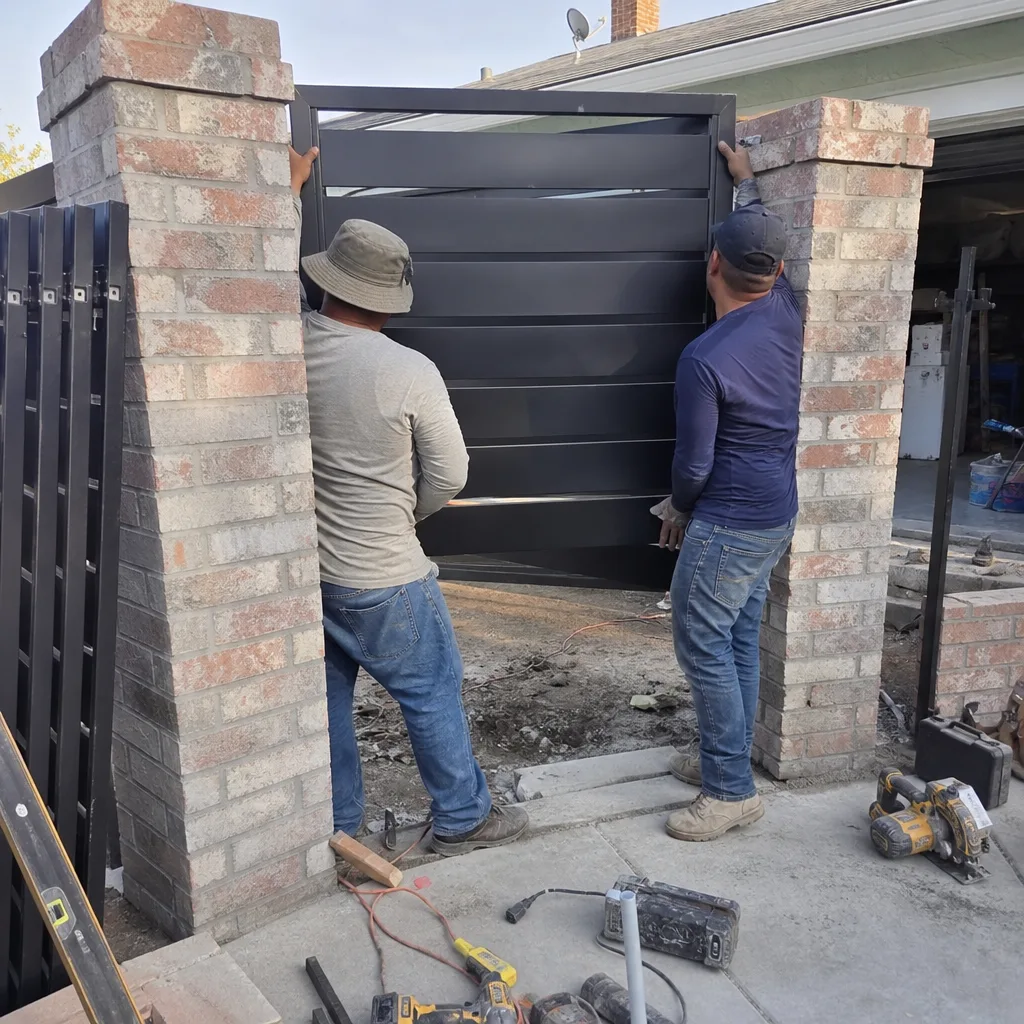
Last updated November 2, 2026
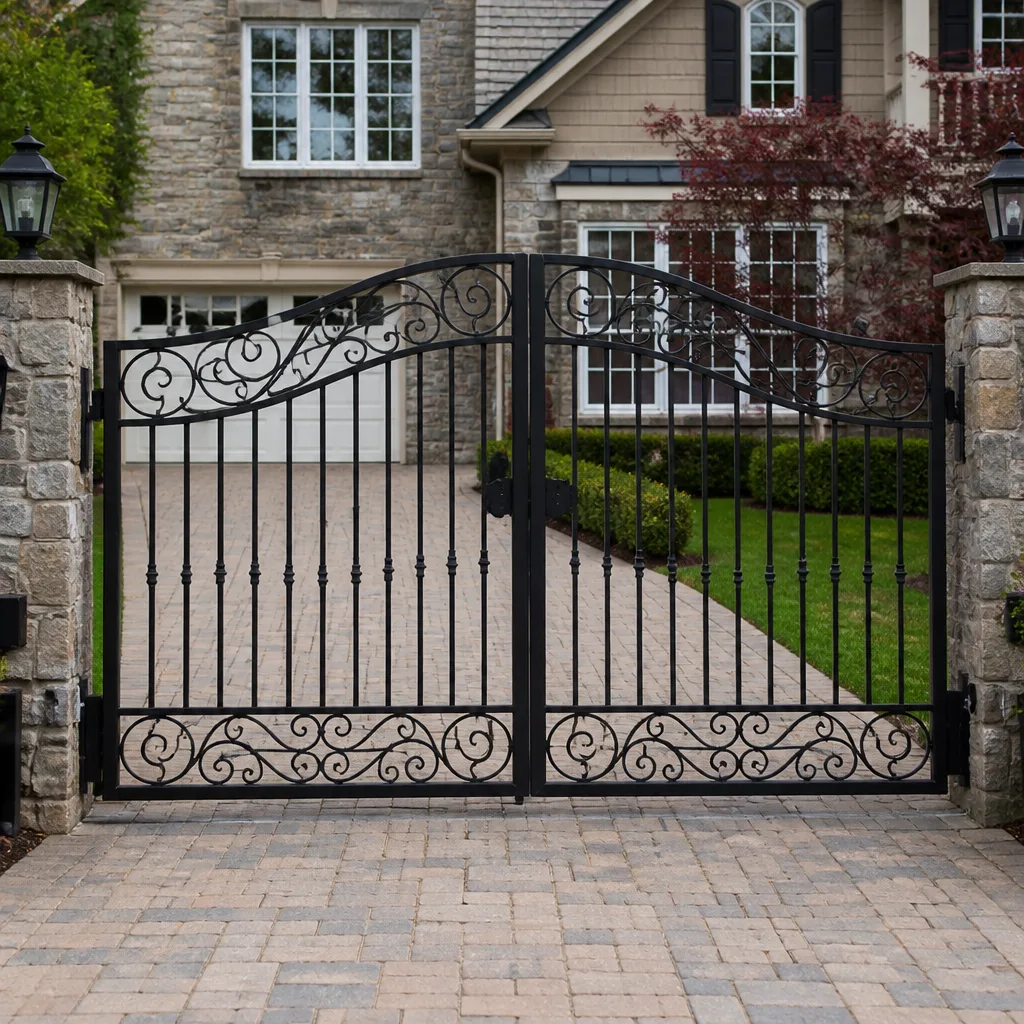 Wrought iron
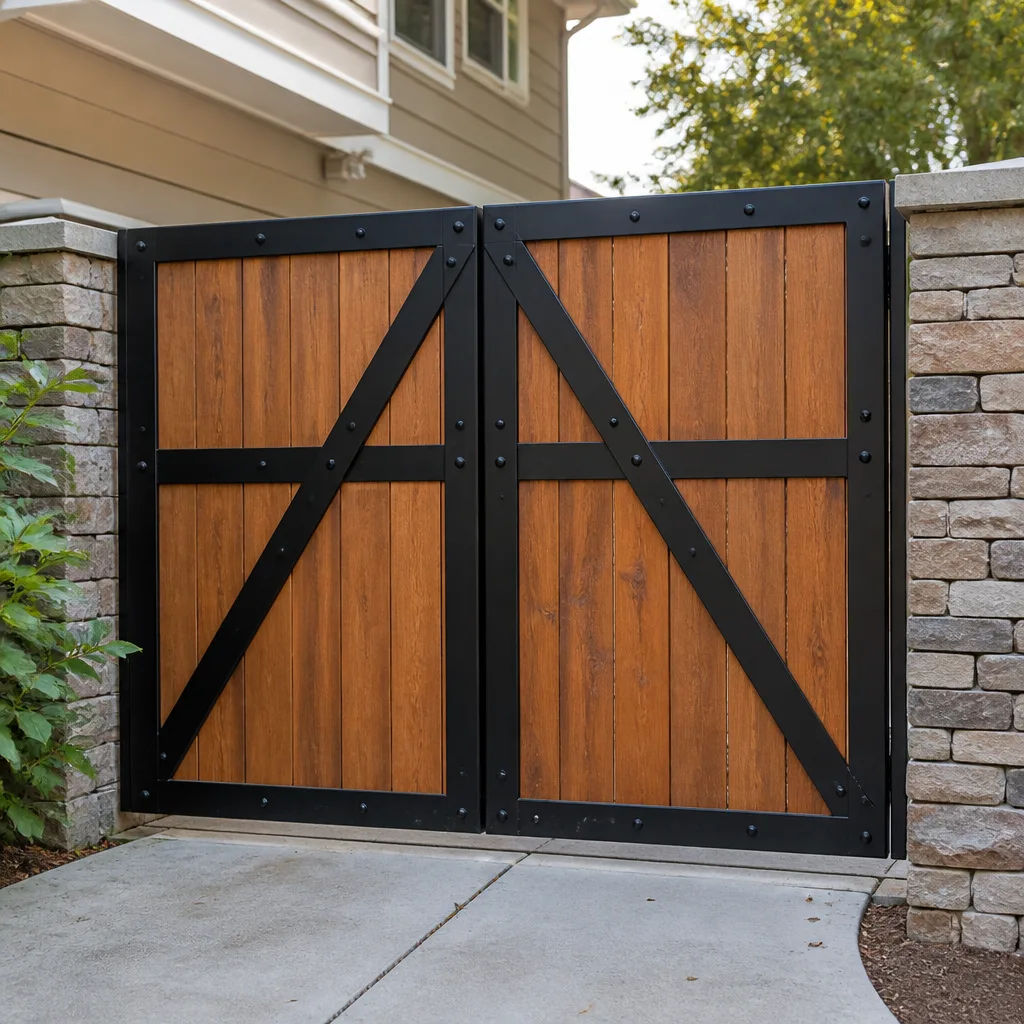 Wood & steel frame
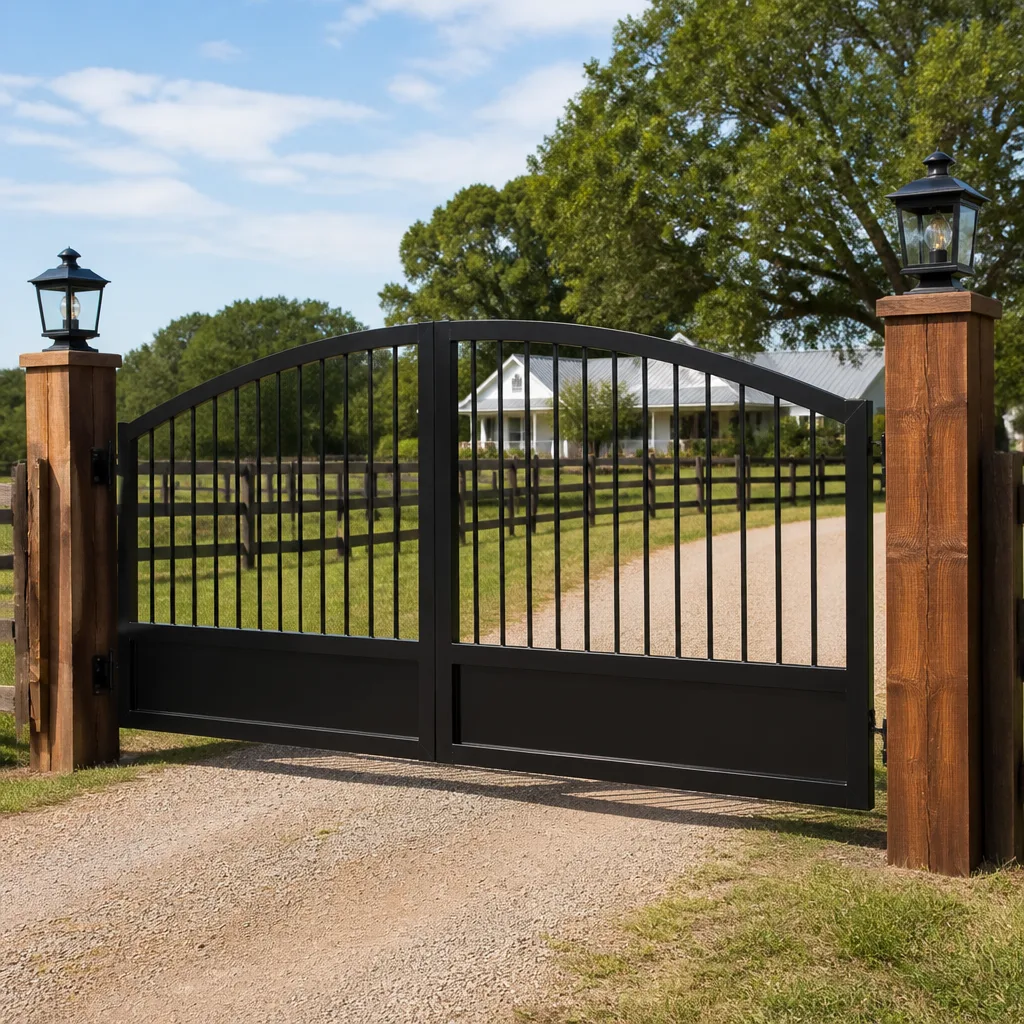 Farm & ranch
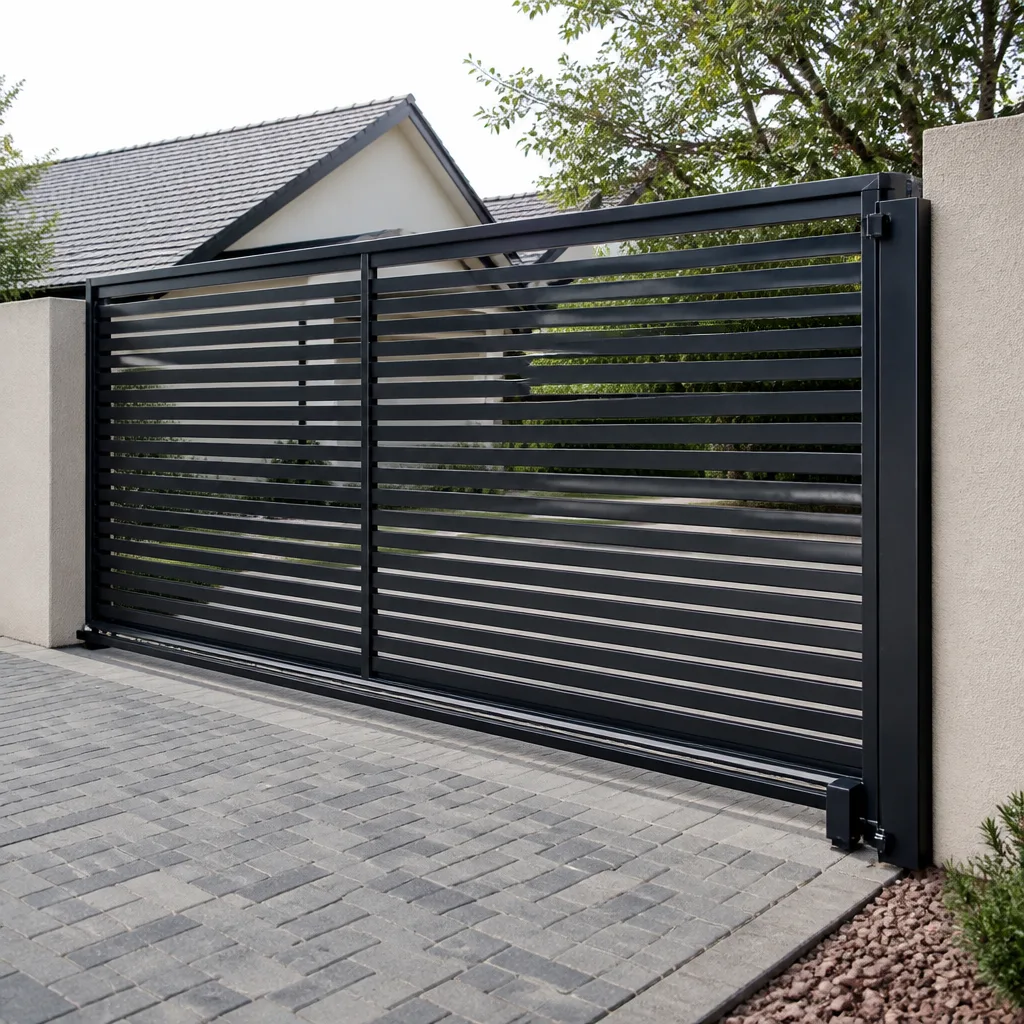 Sliding driveway gates
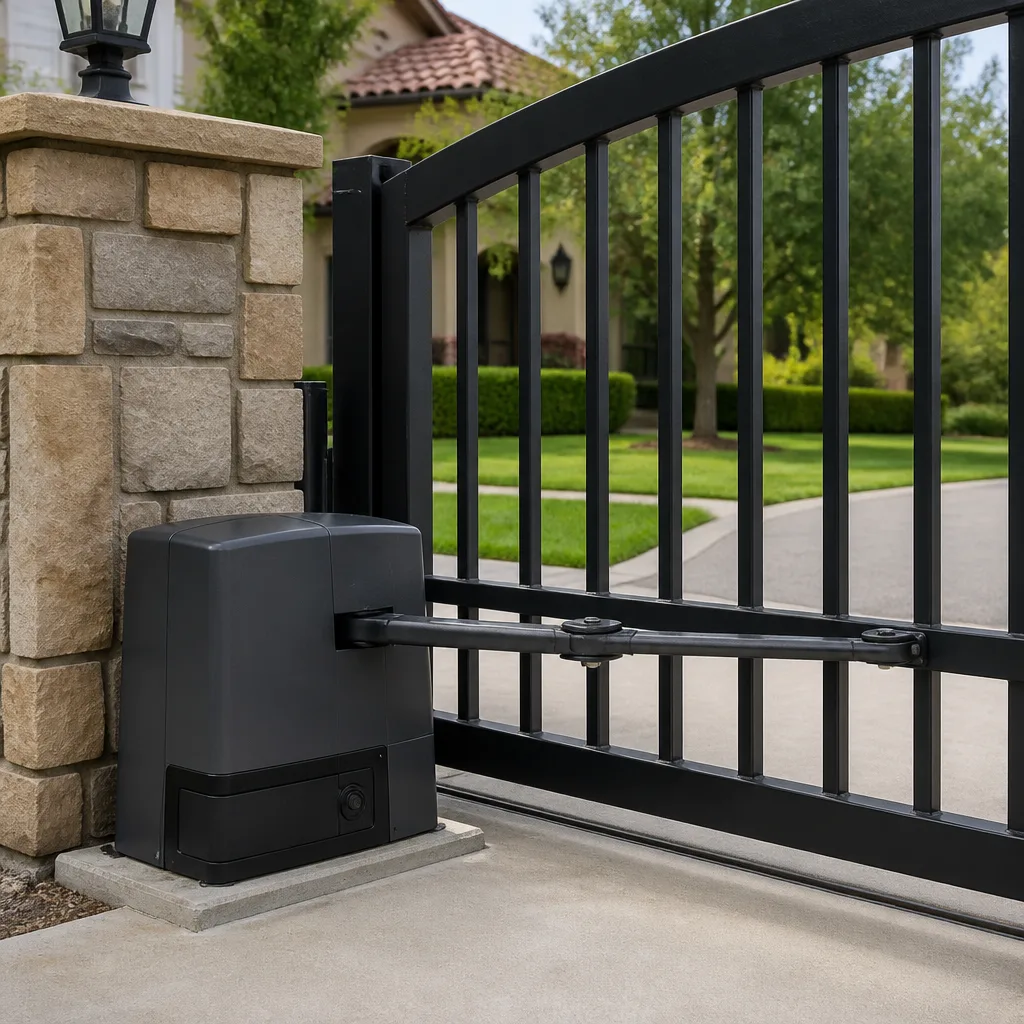 LiftMaster operators
Free on-site gate assessment - hinges, posts, and your LiftMaster or Nice gate operator checked before anything is quoted
The assessment is free and the quote is the invoice.
Get your free estimateGate Repair Maintenance Checklist for Union City Homeowners
Most Union City homeowners use WD-40 on gate hinges believing they’re maintaining their gate. They’re actually stripping the lubrication film that protects the metal and accelerating the rust they meant to prevent. That single habit, repeated across the driveways of Union City from Alvarado to Decoto, causes more avoidable Gate Repair services than any other DIY mistake. This guide is a working maintenance checklist, organized around the specific hardware most Union City homes actually have, so you can keep a gate running smoothly without turning routine upkeep into an expensive repair.
Quick Answer
A gate maintenance checklist for Union City homeowners should follow a simple rhythm: three monthly checks that take under ten minutes total, four seasonal tasks tied to Bay Area weather patterns, and brand-specific operator tests for the electric systems common in Union City driveways. The most important checks are hinge and roller inspection, limit switch verification on automated gates, and lubrication with a silicone or lithium-based lubricant, not WD-40.
Styles & brands we work with
- Wrought iron
- Wood & steel frame
- Farm & ranch
- Sliding driveway gates
- LiftMaster operators
Table of Contents
- The Monthly Ten-Minute Gate Check
- Material-Specific Maintenance: Wrought Iron, Steel, Aluminum, and Wood
- Operator Brand Checks: LiftMaster, FAAC, and DoorKing
- Seasonal Maintenance Calendar for Union City’s Climate
- How to Document Gate Condition With Photos
- Maintenance Mistakes That Void Manufacturer Warranties
- Common Mistakes to Avoid
- When to Call a Professional
The Monthly Ten-Minute Gate Check
We’ve watched hundreds of Union City gates fail in ways that a ten-minute monthly inspection would have caught weeks or months earlier. The pattern is consistent: a hinge begins to sag, a roller develops flat spots, a limit switch drifts out of calibration. None of these announce themselves loudly. They show up as a gate that drags slightly, hums differently, or closes a half-inch short of where it used to.
Set a recurring calendar reminder for the first Saturday of each month. Here are the three checks that catch roughly 80% of developing problems before they become service calls:
- Visual hinge and hardware sweep (3 minutes). Walk the length of the gate and look at every hinge pin, bolt, and weld point. You’re looking for rust bloom, hairline cracks in the metal, or bolts whose heads have started to back out. On swing gates, grab the top corner and lift. Any vertical play of more than an eighth of an inch means a hinge bushing is wearing. On sliding gates, run your hand along the track and feel for rough spots or debris.
- Automated operator listening test (3 minutes). Cycle the gate open and closed once from the keypad or remote. Listen to the motor. A LiftMaster operator that normally hums at a low, steady pitch and suddenly whines or labors is telling you something: a roller is binding, a hinge is stiff, or the limit settings have drifted. What you’re listening for is a change from the gate’s baseline sound, not an objective perfect sound.
- Safety feature verification (4 minutes). Place a cardboard box in the gate’s path and close it. The gate should stop or reverse before crushing the box. If it doesn’t, the photo eye or safety loop has failed or moved out of alignment. This isn’t a convenience check. A gate that doesn’t reverse is a serious safety hazard for kids, pets, and cars in Union City driveways.
If any of these three checks turns up something off, note it. Small problems fixed early stay small. Left alone, they become motor replacements.
Material-Specific Maintenance: Wrought Iron, Steel, Aluminum, and Wood
Union City’s gate stock splits across four main material types, and each demands a different maintenance approach. Treating a powder-coated aluminum gate the same as a bare steel farm gate is how finishes get destroyed and welds fail early. The right maintenance starts with knowing what your gate is made of.
Wrought Iron and Tubular Steel Gates
Wrought iron gates, which in modern practice are usually tubular steel fabricated to look like traditional ironwork, are the workhorses of Union City’s older neighborhoods. They’re strong, but they rust where the factory finish has been scratched or where water pools. Inspect the bottom rail and the inside of scrollwork, which are the two places water sits longest. When you find surface rust, address it the same day: sand the spot lightly with 220-grit paper, wipe clean, and touch up with a rust-inhibiting primer followed by a cold-galvanizing compound or matched enamel. Left bare, that spot will be through the metal within two or three Winters of Bay Area rain.
Lubrication for these hinges should be a white lithium grease applied sparingly to the hinge pin, never a penetrating oil like WD-40 or PB Blaster. Penetrating oil washes out the existing grease film and leaves bare metal exposed.
Aluminum Gates
Aluminum gates dominate newer Union City construction because they resist the salt air and seasonal rain without constant attention. But aluminum has a specific failure mode: galvanic corrosion where aluminum hardware meets steel bolts or steel gate posts. Look for white chalky residue around bolts and brackets. That’s aluminum oxide forming, and it’s eating the metal. Treat it by removing the fastener, cleaning both surfaces, applying an anti-seize compound, and reinstalling with a torque appropriate to the bolt size.
For aluminum gate lubrication, use a dry silicone lubricant. It won’t attract the fine dust that Union City winds carry from the East Bay hills, and it won’t degrade aluminum the way some petroleum-based products do.
Wood Gates
Wood driveway gates are less common in Union City than steel and aluminum, but they show up often enough on custom homes to warrant attention. The maintenance task here is checking for rot at the bottom rail and at every joint where two pieces of wood meet end-grain to side-grain. Probe suspicious areas with an awl or small screwdriver. Wood that gives easily has rot beginning beneath the surface. Treat with a borate-based wood preservative, then reseal the entire gate annually with a penetrating oil finish, not a film-forming varnish.
Sliding Gate Track Maintenance
Sliding gates, regardless of material, need their track kept clean. Union City’s dry season throws fine grit into every horizontal surface, and that grit becomes abrasive paste when it mixes with lubricant. Sweep the track weekly during Summer, and twice monthly the rest of the year. For v-track wheels, check that the wheels sit fully engaged in the track with no wobble. A sliding gate that drags on the track is grinding away wheel material every cycle.
Operator Brand Checks: LiftMaster, FAAC, and DoorKing
Electric gate repair in Union City means working on a fairly narrow set of operator brands, because that’s what builders and gate installers have installed here for years. Electric Gate Repair in Union City is our most common service call, and most of those calls trace back to three brands: LiftMaster, FAAC, and DoorKing. Each has its own maintenance signature.
LiftMaster Operators
LiftMaster units are common on residential swing and slide gates throughout Union City. The maintenance item most homeowners miss is the battery backup. LiftMaster operators equipped with battery backup have a small battery pack inside the control box that should be tested every six months. Unplug the operator’s AC power and cycle the gate. If it opens and closes on battery, the pack is healthy. If it doesn’t, the battery has failed silently. A dead battery backup means your gate won’t open during a PG&E outage.
Also check the limit switch settings, which on LiftMaster units are set with small mechanical cams or, on newer models, electronically through a Learn button sequence. If the gate stops short of fully open or doesn’t seat fully closed, the limits have drifted. This is a ten-minute adjustment for someone who knows the operator, but it’s fiddly enough that many homeowners call us to handle it.
FAAC Operators
FAAC is a hydraulic operator brand that shows up on heavier Union City gates, typically solid steel or commercial installations. The hydraulic fluid level is the maintenance item here. FAAC operators have a reservoir visible through a small sight glass or dipstick. Low fluid means the system is leaking somewhere, usually at a hose fitting, and running a hydraulic pump dry destroys it quickly. Check the fluid level quarterly and note any film of oil on the ground beneath the operator.
FAAC systems also benefit from cycling the manual release lever twice a year to keep it from seizing. A manual release that won’t engage is a problem when the power is out and you need to get your car out of the driveway.
DoorKing Operators
DoorKing makes both slide and swing operators and is a brand we service regularly in Union City. The maintenance item to watch on a DoorKing slide operator is the drive chain tension. A chain that’s too loose slaps against the housing and wears the sprockets; too tight and it stresses the motor shaft bearings. The manufacturer’s specification calls for roughly half an inch of deflection at the midpoint of the chain run. Check it by pressing the chain with a finger and measuring the movement.
For DoorKing swing operators, the arm that attaches the operator to the gate leaf has a pivot joint that wears over time. Listen for clunking as the gate starts and stops. A worn pivot on the arm throws off the entire geometry of the operator’s stroke.
Other Brands We See
BFT and Linear operators also appear in Union City, though less frequently than the three above. BFT systems are common on multi-unit driveway gates in condo developments and apartment complexes. Linear operators show up on mid-range residential installations. The same general maintenance logic applies: test the battery backup, check the limits, listen for changed motor sounds, and keep the track or hinge path clear.
If you have a gate from any of these brands and you’re not sure whether it needs attention, our team works on all of them specifically, from the motor to the hinge. We only do gates.
Seasonal Maintenance Calendar for Union City’s Climate
Union City’s climate is Mediterranean: wet Winters, dry Summers, and a persistent marine layer that keeps humidity higher than inland areas. The maintenance calendar follows those seasons.
Fall (October to November)
Complete all lubrication before the rains arrive. Apply white lithium grease to steel hinge pins, dry silicone to aluminum hardware, and check that all track drains are clear. Verify that the gate’s drainage path, meaning the ground beneath the gate’s travel arc, slopes away so Winter water doesn’t pool around posts. Pooled water against a steel post is how frost heave and rust work together to tilt a gate.
Winter (December to February)
This is test season for safety devices. Rain and wind move photo eyes and knock debris into the path. Run the monthly safety check more often when storms are active. Also watch for the gate binding after heavy rain. Wood gates swell; steel gates shift as their foundations settle in saturated soil. A gate that closes fine in August and drags in January has a post or hinge geometry issue, not a motor problem.
Spring (March to May)
Inspect every weld and bolt after Winter’s moisture. Address any rust bloom that appeared. Re-torque hinge bolts and post mounts. For automated gates, this is also the right time for an annual operator test to confirm the motor isn’t drawing higher than its rated current, which most homeowners will want a technician to handle with a clamp meter.
Summer (June to September)
The dry season brings dust and heat. Sliding tracks collect the fine grit blown from the East Bay hills, so increase track sweeping frequency. Check for heat-related expansion. A sliding gate that runs smoothly in the morning may tighten in the afternoon when the metal expands in direct sun; if you notice this, the track and roller clearance needs adjustment before the gate binds hard enough to stall the motor.
This pattern, repeated yearly, matches how gates actually wear in Union City. It’s built around the weather we get and the dust we breathe, not a generic national average.
How to Document Gate Condition With Photos
A phone camera is the most underused gate maintenance tool in Union City. When a gate fails, having a photographic baseline of how it looked when it was working correctly gives you an objective reference for what changed. Without photos, we’re working from memory, and memory is unreliable about exactly how much a gate has shifted or how long that rust streak has been growing.
Take a standardized photo set four times a year, ideally tied to the seasonal tasks above. Use the same angles every time:
- Full gate from the driveway side, centered on the gate in its closed position.
- Full gate from the street side, same framing.
- Close-up of each hinge or roller, from the top and side.
- Close-up of the operator unit, including the control box and any exposed chain or arm.
- Close-up of any existing rust, wear, or damage, with a coin or key in frame for scale.
- Video clip of one full open-and-close cycle from a fixed position, which captures gate speed and smoothness better than any still.
Store these in a dedicated album on your phone. When something goes wrong, you’ll be able to pull up last season’s photos and show a technician exactly what the gate looked like before the problem started. That kind of documentation shortens diagnosis and keeps repair costs down. For more guides & resources on gate care, visit our blog.
Maintenance Mistakes That Void Manufacturer Warranties
Gate operator manufacturers write specific maintenance terms into their warranty documents, and some of those terms surprise homeowners. Violating them doesn’t just mean denied claims; it means paying full price for repairs that the manufacturer would have covered.
Here are the specific mistakes we see Union City homeowners make that void warranties:
- Using penetrating oil on sealed bearings or hinge bushings. LiftMaster, FAAC, BFT, and DoorKing warranty language all require that lubrication be a non-penetrating lubricant. WD-40 and similar products dissolve the grease in sealed components and cause the exact bearing failure the warranty is written to exclude.
- Adjusting limit switches without following the operator’s calibration procedure. Every operator brand has a specific sequence for setting limits. Guessing at the procedure and running the motor out of range can burn the motor or strip the gear. Manufacturers consider this unauthorized modification.
- Modifying the gate itself without recalculating the operator load. Adding a privacy screen, decorative metal panels, or a snow load brace changes the gate’s wind profile and weight. If the operator fails afterward, the manufacturer will point to the unapproved modification. In Union City’s windy Fall conditions, a suddenly heavier gate surface stresses the motor in ways the original installation never anticipated.
- Using high-pressure washers near the operator housing. Water forced into the control board or motor housing on a LiftMaster, Linear, or DoorKing unit causes corrosion and electrical failures that are explicitly excluded from warranty coverage.
Read the maintenance section of your operator’s manual. Every brand publishes one, and every brand excludes different things. The manual that came with the unit, or a PDF from the manufacturer’s site, is the authoritative source.
Common Mistakes to Avoid
- Using WD-40 for every gate-related squeak. This is the single most common maintenance error in Union City. Penetrating oil strips the lubrication film your gate’s hinges depend on and leaves bare metal exposed to Bay Area moisture. The gate quiets for a week and then rusts faster.
- Ignoring a gate that’s slightly slower than it used to be. A gate that takes two extra seconds to open is a gate with developing friction somewhere in the system. That friction is converting your motor’s output into heat and wear. Waiting until it stops entirely turns a $150 hinge repair into a $900 motor replacement.
- Pressure washing the operator area. Union City homeowners love clean driveways, but water aimed at the control box, motor, or wiring connections is how circuit boards die. Wash the gate itself if you must, but mask and cover the operator first.
- Tightening every loose bolt without checking why it loosened. A hinge bolt that backs out repeatedly is telling you the hinge is worn and the load has shifted. Re-tightening it without addressing the hinge wear just delays the repair.
- Replacing a remote’s battery without checking the receiver’s programming. When a gate stops responding to a remote, the first instinct is a battery change. If that doesn’t fix it, the receiver or control board may have lost its stored codes. Replacing remotes without reprogramming is throwing money at the wrong problem.
- Oiling the track of a sliding gate. Sliding gate tracks should be clean and dry. Lubricant on the track attracts grit and creates the abrasive paste that wears wheels and eventually the track itself. Lubricate the wheel bearings, not the track surface.
When to Call a Professional
Some gate maintenance is a homeowner task. Some isn’t. Call a professional when the gate’s motor hums but the gate doesn’t move, which points to a failed capacitor, gear, or drive assembly inside the operator. Call when the gate reverses for no reason in the middle of its travel, because that’s a safety sensor or limit switch problem that will get worse unpredictably. Call when a hinge has visibly sagged enough that the gate drags on the ground, because lifting and re-welding a gate leaf is not a weekend project. Call when you smell burning from the operator housing or see scorch marks on the control board. And call when you’ve done the monthly checks and something still doesn’t feel right. High-tension springs on some gate systems hold enough stored energy to cause serious injury if released incorrectly; that is not a DIY repair under any circumstances.
Gate Repair Union City offers free estimates in Union City for all gate repair, electric gate repair, and Gate Installation in Union City. If your checklist turns up something you’d rather not handle, call (833) 593-6430 and describe what you found. We’ll give you a straight answer about whether it needs attention and what it’ll take to fix.
See the difference
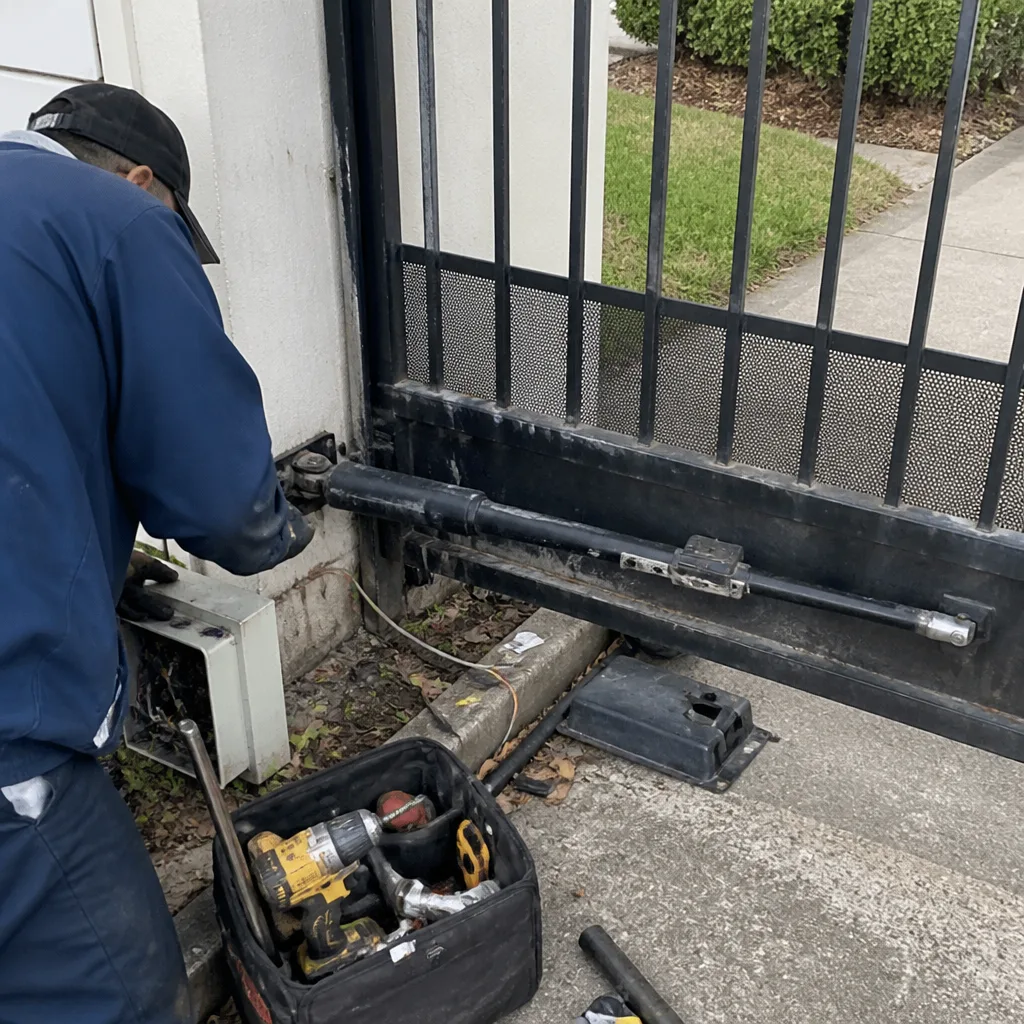 Before
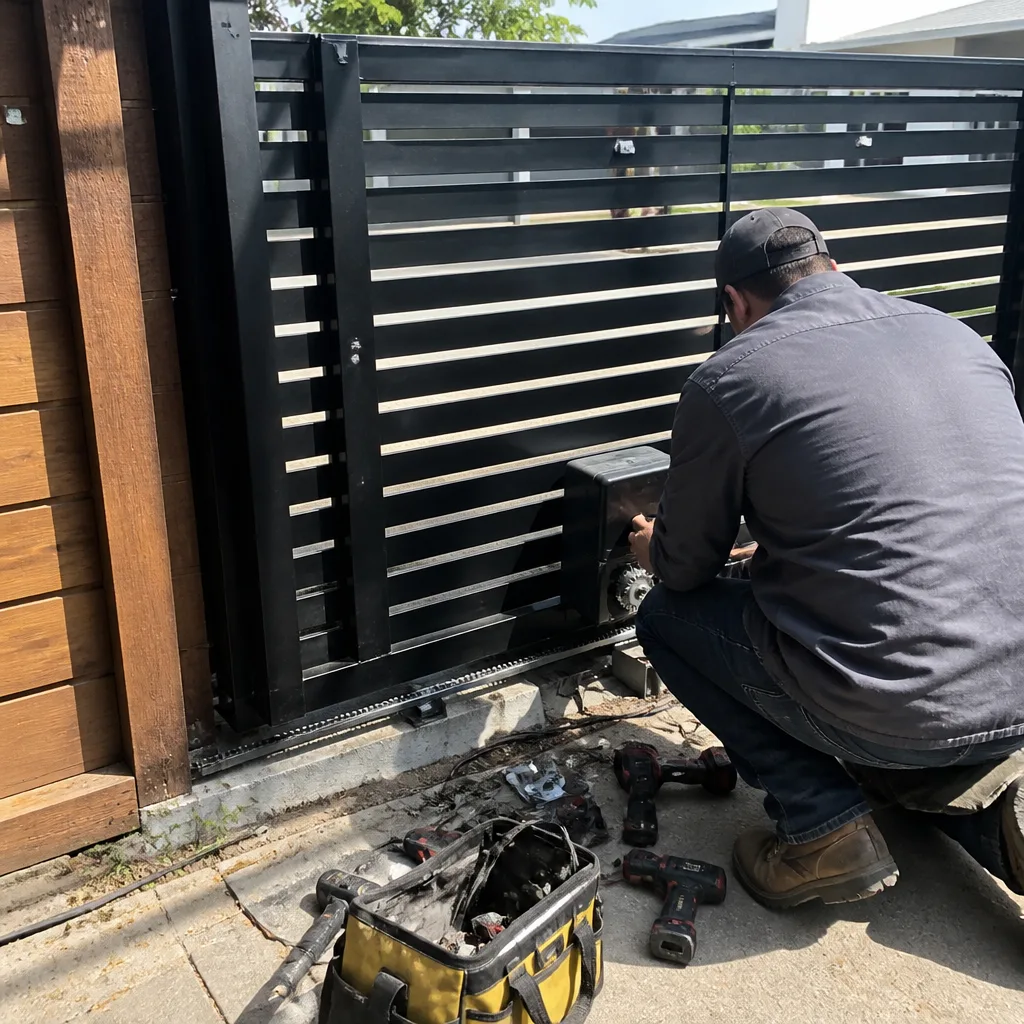 After
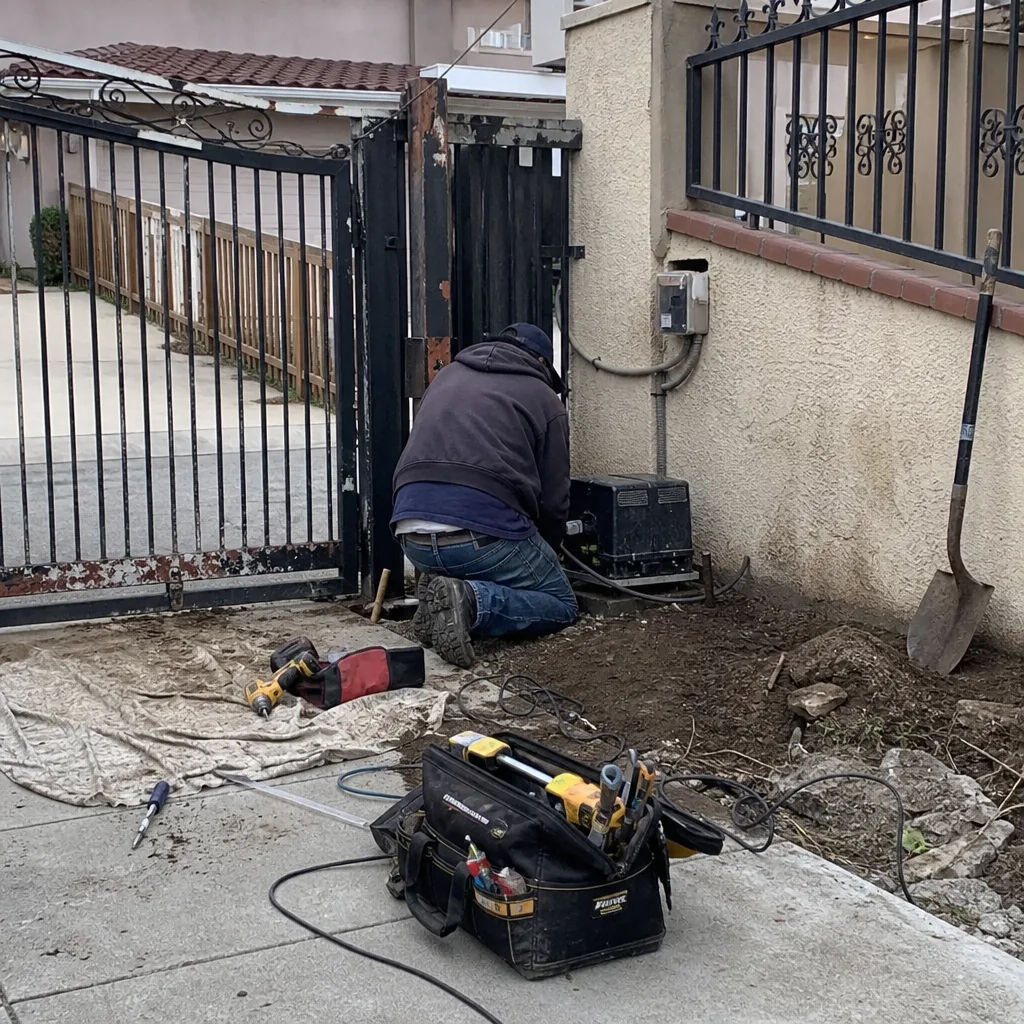 Before
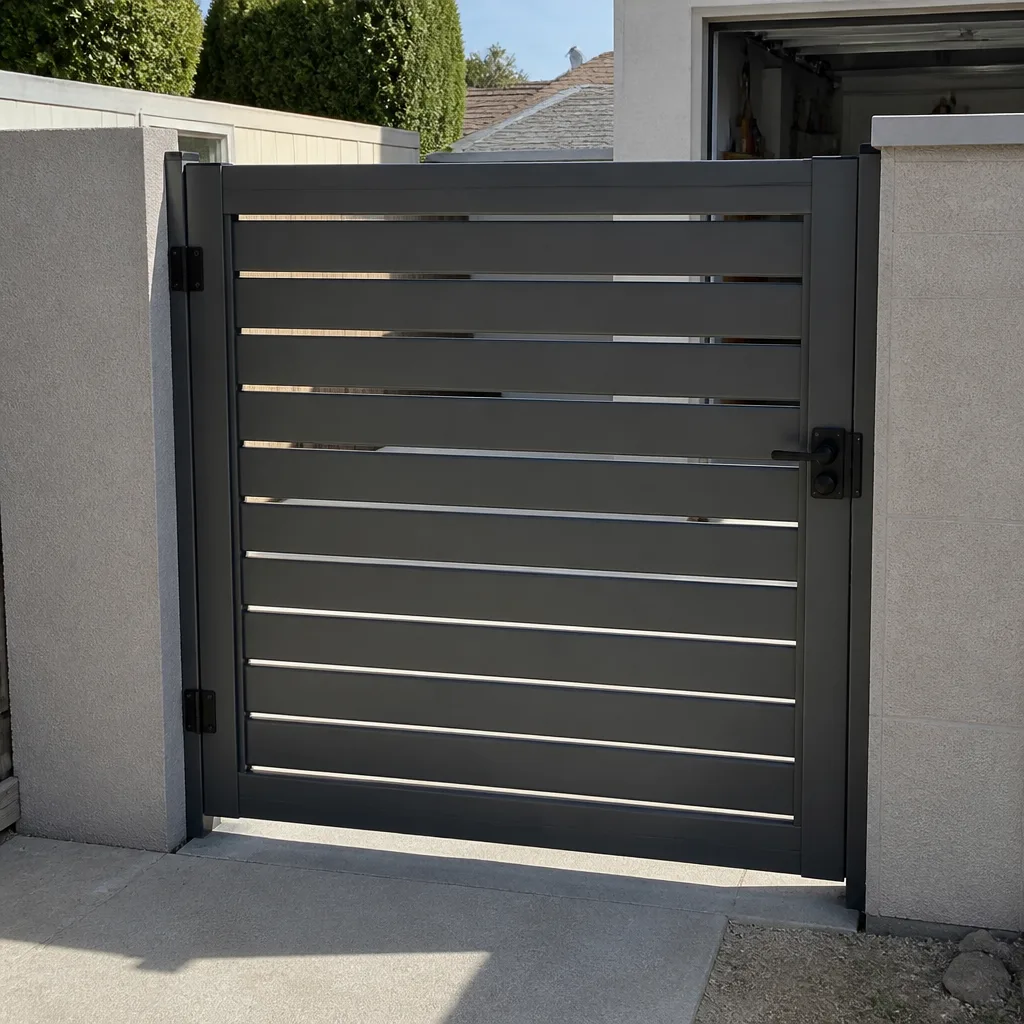 After
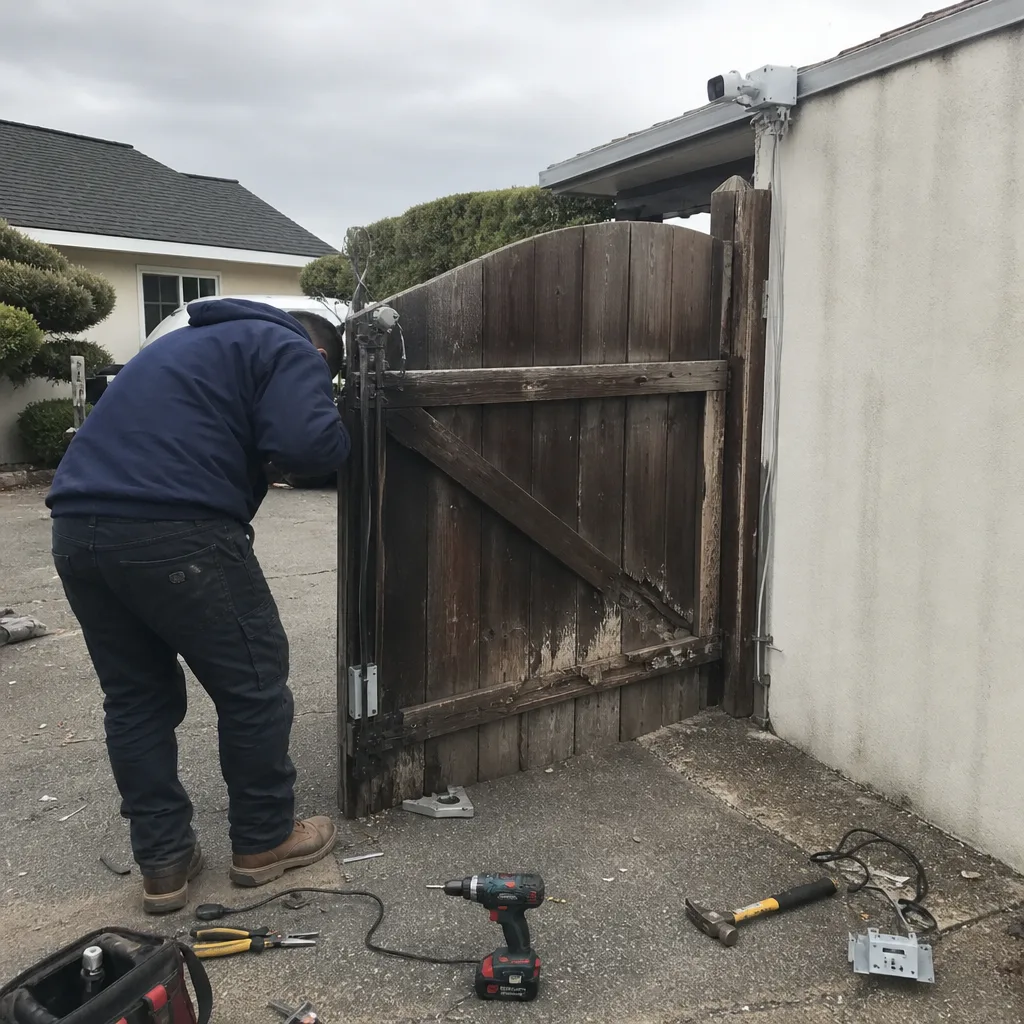 Before
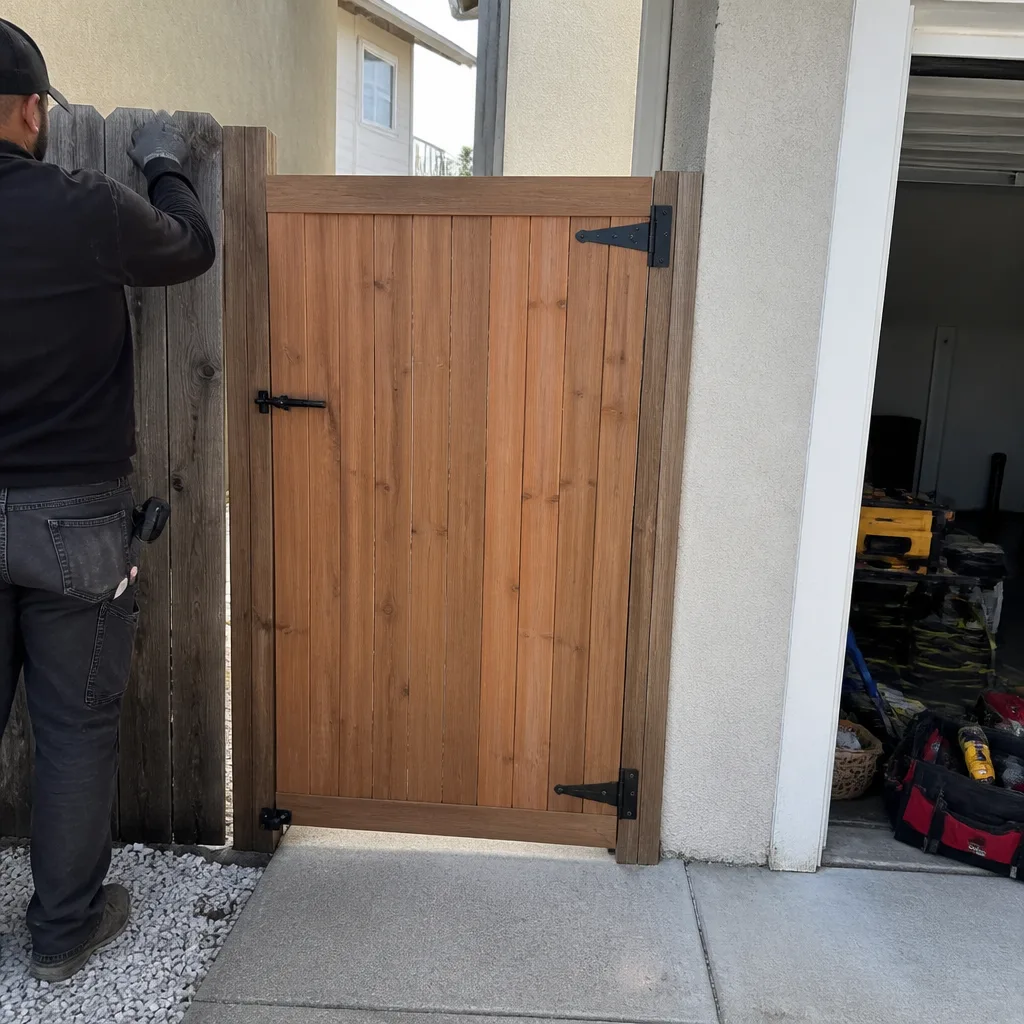 After
Frequently Asked Questions
Lubricate steel gate hinges twice a year, once in late October before the rains and again in March after the wet season ends, using a white lithium grease applied directly to the hinge pin. Aluminum gate hardware should receive a dry silicone lubricant on the same schedule, and it should be wiped clean before reapplication to remove the grit that Union City’s dry-season winds deposit. Lubricating more often than twice yearly is unnecessary and tends to attract debris.
Routine gate maintenance, meaning lubrication, hinge inspection, limit verification, and safety sensor alignment, typically runs from $85 to $175 per visit depending on gate size and operator complexity. If the maintenance visit uncovers a worn hinge or failing component, that repair is quoted separately. Call (833) 593-6430 for a free estimate on your specific gate.
You can pressure wash the gate leaf itself at low pressure, but not the operator housing, control box, wiring, or any component that contains electronics. High-pressure water forced into these areas causes corrosion and electrical failures that aren’t covered by manufacturer warranties. Cover the operator with plastic sheeting and tape before washing anywhere near it.
A gate that beeps but doesn’t move is usually telling you that the safety device, either a photo eye or a safety loop, has been triggered or has failed closed. Check for debris blocking the photo eye, then test the safety reversal with a cardboard box as described above. If the gate still won’t move, the control board may have failed and needs professional diagnosis.
Gate operators in Union City typically last 8 to 14 years with proper maintenance, though that range shortens significantly if the gate is under-sized for the operator or exposed to salt air near the Bay. LiftMaster, FAAC, and DoorKing operators all publish expected service life figures based on duty cycle, and exceeding the rated duty cycle, meaning cycling the gate more times per day than the operator is rated for, is the fastest way to burn one out.
No, remote battery replacement is straightforward and takes under a minute. The battery type is printed inside the remote housing. If a new battery doesn’t restore function, the remote may have lost its programming, which does require a technician or a careful reading of the receiver manual to re-learn the code.
The Bottom Line
Gate maintenance in Union City comes down to knowing your hardware and following a rhythm. Three monthly checks catch most developing problems. Seasonal tasks matched to our wet Winters and dusty Summers keep gates running across the year. Brand-specific operator checks prevent the avoidable failures that leave cars stranded in driveways. And documenting everything with photos means that when something does fail, you can show a technician exactly what changed. For Union City homeowners, this checklist is the difference between a gate that lasts 15 years and one that needs replacement at seven. If any part of it turns up trouble, our team at Gate Repair in Union City is one call away at (833) 593-6430. Your gate, fixed right.
Written by the team at Gate Repair Union City, serving Union City since 2018.