
Last updated November 2, 2026
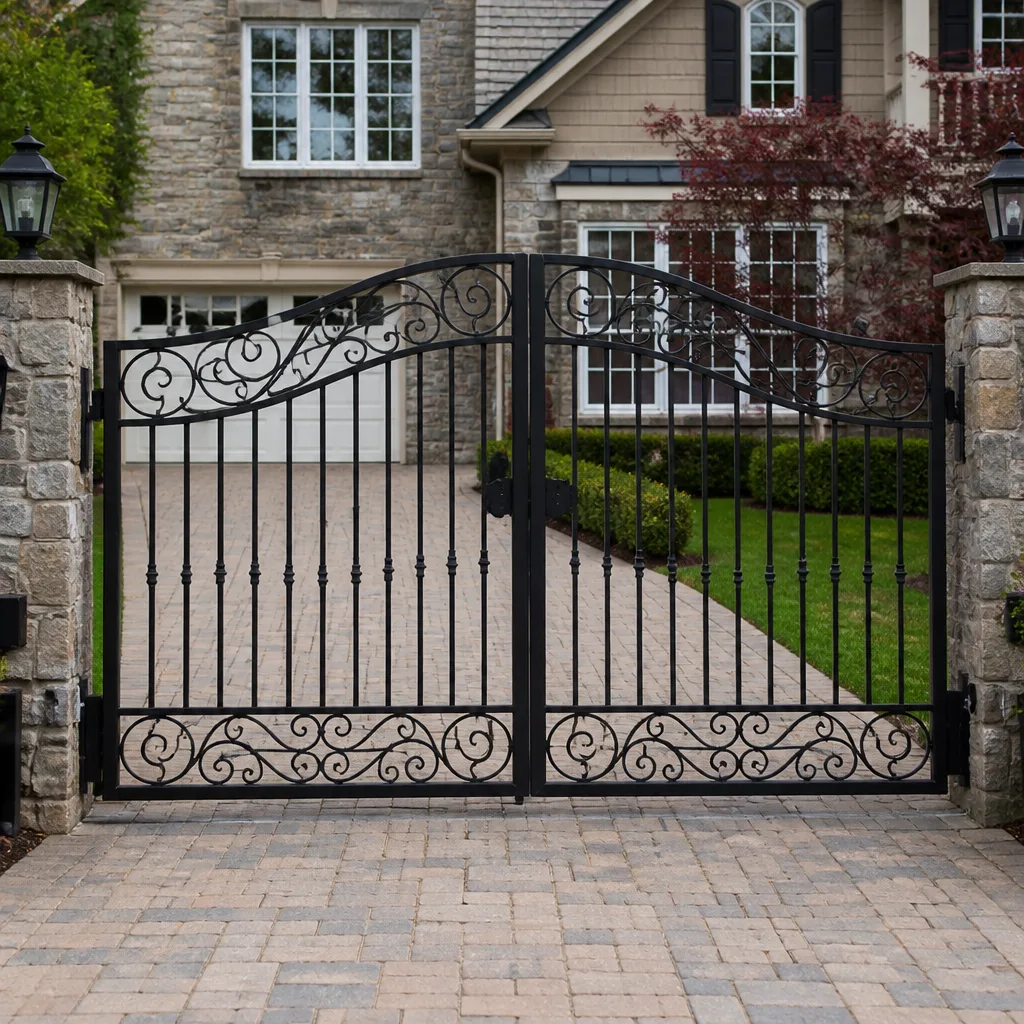 Wrought iron
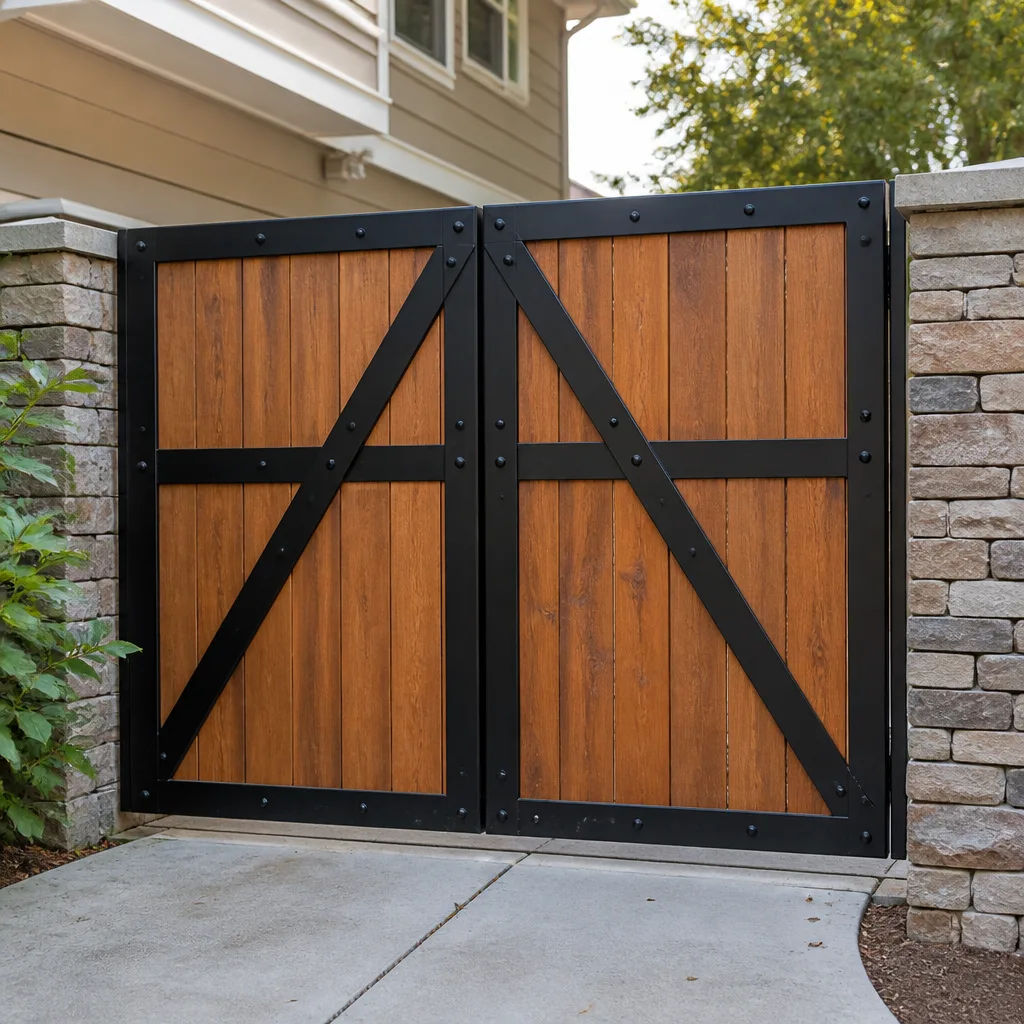 Wood & steel frame
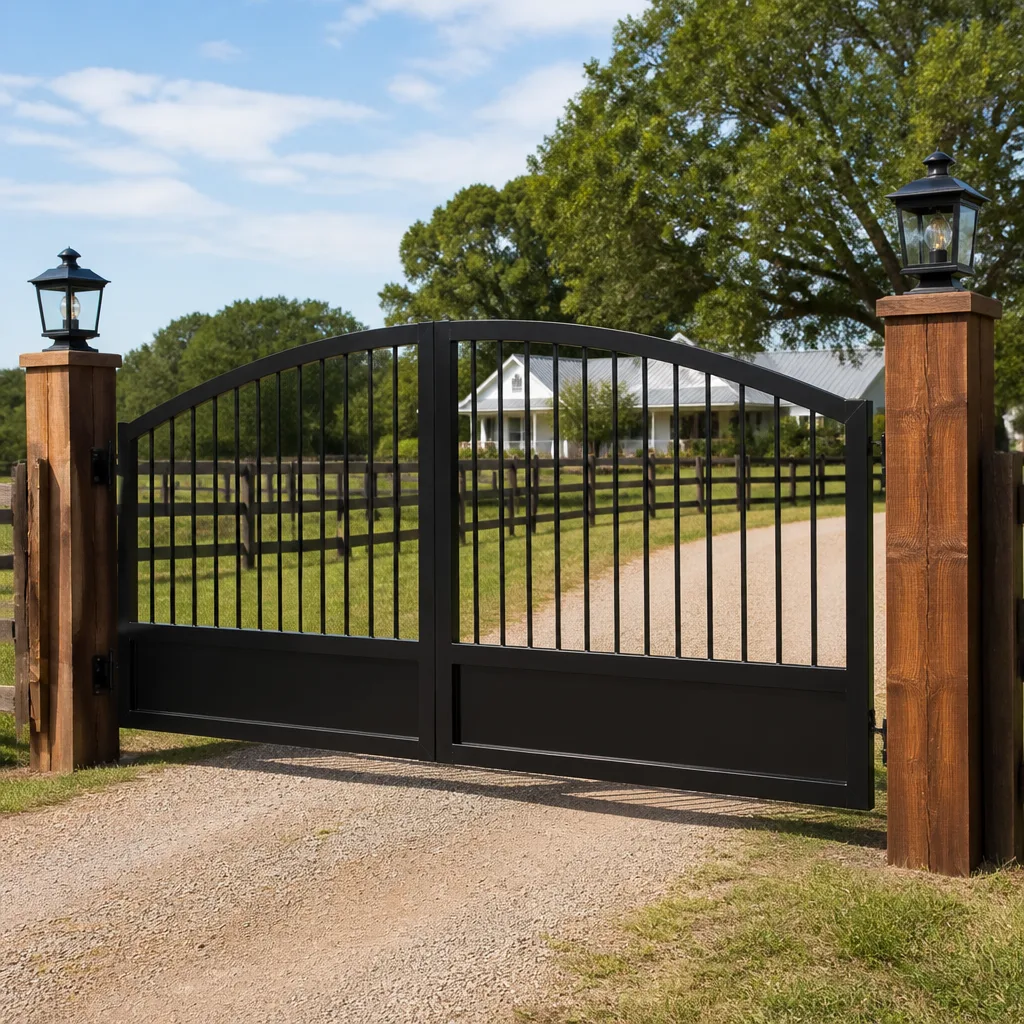 Farm & ranch
 Sliding driveway gates
 LiftMaster operators
Free on-site gate assessment - hinges, posts, and your LiftMaster or Nice gate operator checked before anything is quoted
The assessment is free and the quote is the invoice.
Get your free estimateThe Complete Gate Repair Guide for Union City Homeowners
Most gate failures in Union City aren’t random. They follow a seasonal rhythm that starts with the October fog surge off the bay, works through winter rain, and shows up as a sagging gate or dead motor by late spring. If you live near the Decoto district, Alvarado, or any of the gated communities along the 880 corridor, you’ve probably noticed that gates here behave differently than they do in Fremont, Hayward, or San Ramon. This guide maps those local failure patterns to the right fixes. You’ll learn which repairs in Union City are worth doing now, which ones need a specialist, and how to extend the life of a gate system that sits in fog, salt air, and shifting clay soil all year round.
Styles & brands we work with
- Wrought iron
- Wood & steel frame
- Farm & ranch
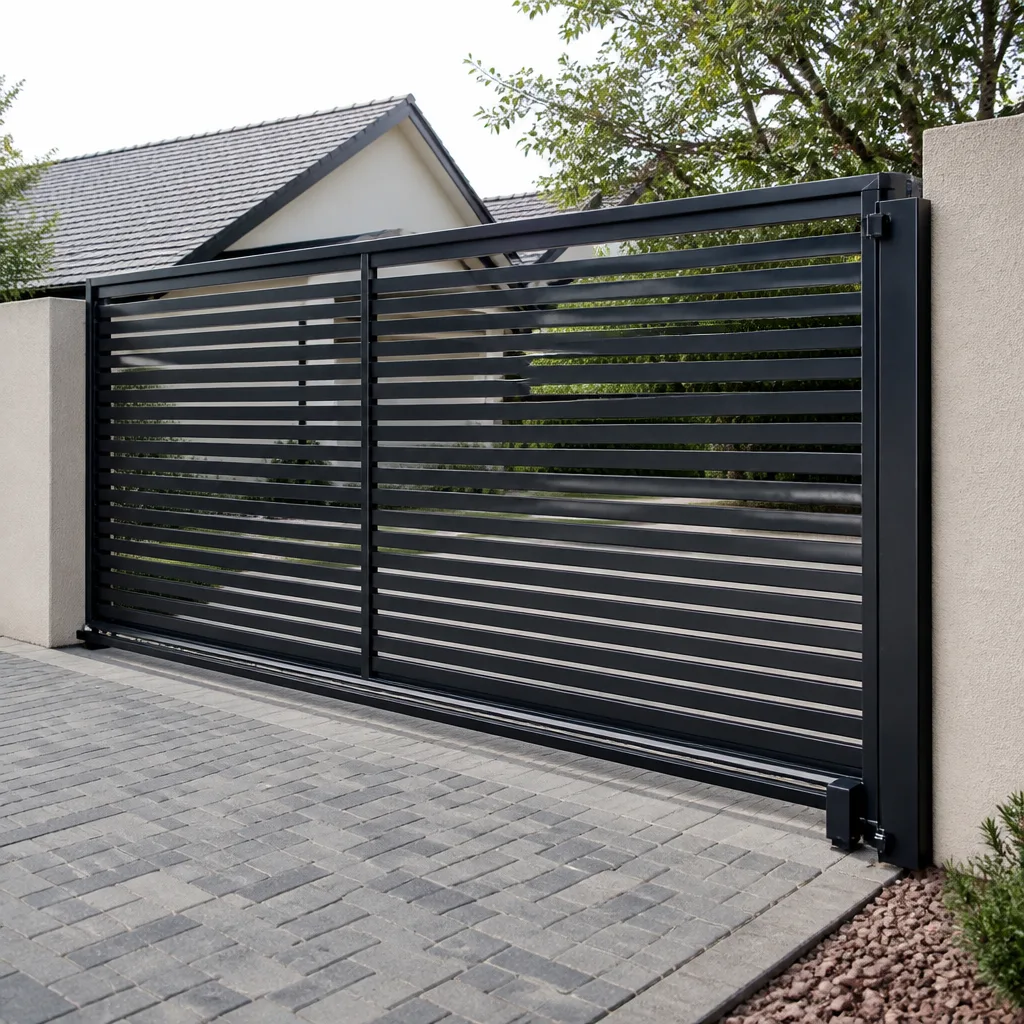
- Sliding driveway gates
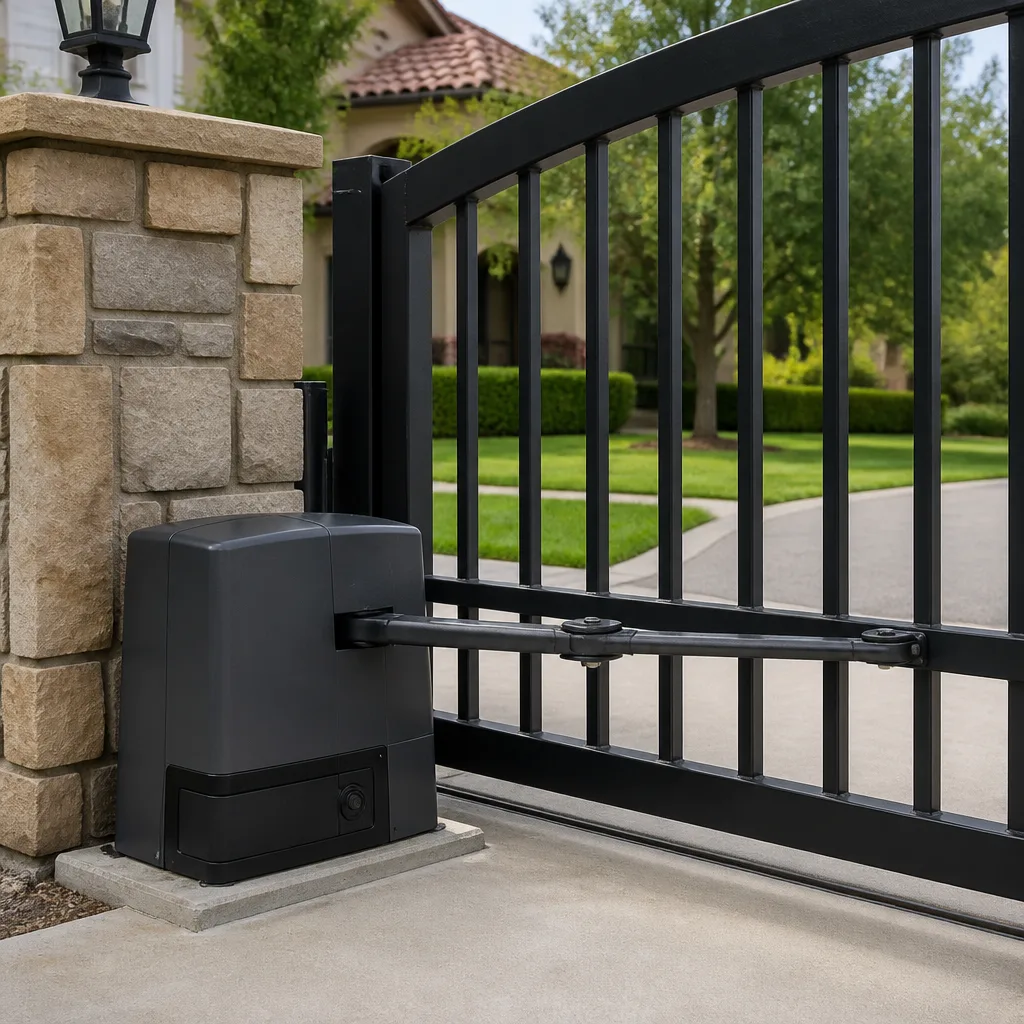
- LiftMaster operators
Quick Answer
Gate repair in Union City CA typically ranges from $180 for basic hinge and latch work to $900 – $1,800 for electric gate motor, control board, or full operator replacement, depending on whether your system is manual or automated. Most mechanical failures come from fog-driven oxidation on steel hardware and clay soil shifting posts out of alignment, not from the gate itself wearing out. A gate-only specialist can diagnose these Union City-specific issues faster and more accurately than a general handyman or fencing contractor.
Table of Contents
- Why Union City’s Climate Is Harder on Gates Than the Rest of the East Bay
- Manual vs. Electric Gates: Different Failure Timelines, Different Repairs
- Common Gate Failure Points in Union City and What Causes Them
- What You Can Safely Do Yourself vs. What Needs a Gate Specialist
- DoorKing, Elite, Mighty Mule, LiftMaster: What Your Brand Says About the Fix
- Documenting Gate Condition for HOAs and Home Sale Disclosure in Union City
- Realistic Service Intervals for Union City Gate Systems
- Common Mistakes to Avoid
- When to Call a Professional
- Frequently Asked Questions
- The Bottom Line
Why Union City’s Climate Is Harder on Gates Than the Rest of the East Bay
Union City sits in a unique microclimate. The bay-adjacent humidity here is more persistent than in Fremont or Newark, especially in the neighborhoods west of Union Square and down toward the 880 corridor. When fog rolls in off the bay, it hangs low and dense, and it carries a fine salt aerosol that settles on everything metal. Over time, that salt air accelerates oxidation on gate hardware in ways homeowners in, say, Castro Valley or Dublin simply don’t experience.
In our experience, the first components to go in Union City are almost always the hinge pins, gate springs, and latch mechanisms on steel and wrought-iron gates. Painted steel gates fare better initially, but once the paint layer gets a chip or scratch – which happens on every gate eventually, whether from winds or passing vehicles – the salt air finds its way in and starts working. We’ve seen gates in the Decoto area that look fine from the street but have hinge pins so corroded they’ve seized completely, which forces the motor to work against unnecessary resistance and burns it out years earlier than it should.
The fix isn’t just any replacement hardware. Homeowners need hardware with the right coating for this environment. Powder-coated aluminum brackets, stainless steel hinges, and zinc-plated fasteners hold up better near the bay than standard electroplated hardware. On the electric side, control boards and wiring connections benefit from proper sealing and periodic dielectric protection. If your gate hasn’t been inspected for salt-air damage, and you live within two miles of the bay, that’s the first place to start before you assume the motor is the problem.
Manual vs. Electric Gates: Different Failure Timelines, Different Repairs
Manual gates and electric gates fail on very different schedules in Union City. A well-built manual steel gate with the right hardware can go 8 – 12 years between major repairs if it was installed with proper hinges and a solid post footing. A single-leaf manual gate in the Alvarado area may only need lubrication and the occasional hinge bushing replacement every few years. The gate leaf itself, if it’s powder-coated steel, will last much longer than the hardware attached to it.
Electric gates have more moving parts and more failure points, so the timeline is shorter and more varied. The operator motor, which is the unit that physically moves the gate, typically lasts 7 – 10 years in Union City’s climate if it’s a quality brand like LiftMaster or DoorKing and it’s serviced annually. But the peripheral components – photocells, safety loops, control board capacitors, and remote receivers – fail on a much shorter cycle, often 3 – 5 years in bay-adjacent air. Salt corrosion on wire terminals and connectors is the most common culprit, and it’s also the most preventable.
Here’s a realistic breakdown of service intervals we’ve observed on electric gates in Union City:
- Annual inspection: Check hinge bolts, hinge bushings, motor mounting bracket torque, safety loop function, and run a full open-close cycle with obstacle detection. This is the single highest-leverage maintenance action for electric systems.
- Every 2 – 3 years: Replace hinge bushings on heavy gates, re-lubricate the gate track or rail, apply fresh dielectric grease to control board connectors, and check battery backup function (if installed).
- Every 5 – 7 years: Expect to replace operator motor capacitors, remote receiver boards, or the safety loops embedded in the driveway. These components age predictably in fog and salt air.
- At 10+ years: Consider a full operator replacement rather than repeated component repairs. Newer operators, including current Mighty Mule and LiftMaster units, are notably more efficient and quieter than units from a decade ago, and the upgrade usually pays for itself in reduced service calls.
Common Gate Failure Points in Union City and What Causes Them
Here’s a practical map of where gates in Union City actually fail. If your gate is misbehaving, working through this list in order will give you a head start before calling a pro. The most important insight here is that the complaint and the cause rarely match up. A gate that “won’t open” is frequently not a motor problem at all. It’s a geometry problem caused by footing shift in clay soil.
Post Lean and Foundation Shift
The clay soil beneath Union City, particularly in the Decoto and Alvarado districts, expands when wet and contracts when dry. This cycle is especially pronounced after the rainy season ends in April and the ground starts drying out. What happens is the concrete footing around the gate post begins to micro-shift, which tilts the post slightly, which throws the gate leaf out of alignment relative to the latch or the motor. By late spring, the gate hangs slightly lower on the hinge side, drags on the ground, or binds against the catch. It looks like a motor problem. It isn’t. The fix is re-shimming the hinges, or – if the post has moved more than a few degrees – resetting the post in a new, wider footing with proper drainage.
Hinge and Hardware Oxidation
Fog-driven salt air attacks the most exposed hardware on your gate. Hinge pins, latch bars, and spring tension bolts are the usual victims. When a hinge pin rusts and seizes, the gate no longer swings smoothly, even if the motor is perfectly healthy. This added friction makes the operator work twice as hard, which shortens its life. The correct fix in Union City is to replace seizing bearings with sealed stainless or composite bushings, not to keep greasing a rusting pin. In our work, we’ve seen gates where the owner had been oiling the same seized hinge for years, not realizing the hinge itself was the problem.
Control Board and Safety Sensor Failure
On the electric side, moisture intrusion into the control board enclosure is the most common failure we see near the 880 corridor. The board gets wet during winter storms, the connections corrode, and the operator starts behaving erratically – intermittent open and close, or no response from the remote. Safety sensors, particularly the photocells mounted on the gate posts, also degrade faster in this environment. The lens gets clouded with salt film and they stop “seeing” obstructions, causing the gate to refuse to close. This is a subtle failure that often looks like a limit switch problem, but it’s actually the sensors needing replacement.
What You Can Safely Do Yourself vs. What Needs a Gate Specialist
We recommend most Union City homeowners stick to a short list of safe, non-invasive maintenance tasks and leave anything involving spring tension, electrical connections, or post footing to a gate specialist. There’s a real liability concern with gates: a manual gate with a tension spring, or an electric gate with an auto-close feature, can cause serious injury if a component lets go while you’re working on it. That’s not fear-mongering; it’s the same reason garage door springs carry warning labels from the factory.
Safe to do yourself:
- Clean debris, leaves, and dirt out of the gate track or rail. This is simple and makes a real difference.
- Visually inspect hinges, bolts, and welds for cracks or rust. You don’t need to tighten anything, just keep notes.
- Test the gate’s auto-reverse function with a traffic cone or a rolled-up towel. If it doesn’t respond, call a professional.
- Wipe down the driveway sensor lenses with a dry cloth. Do not use water or solvent.
- Document the gate condition with photos and video from multiple angles, including the hinges, the operator arm, and the control board.
Leave to a gate specialist:
- Any repair involving a spring under tension, such as a tension bar or counterbalance spring. These components store enough energy to break a hand.
- Any wiring, control board, or operator motor repair. If you open the control box and see corrosion, do not touch it. You can’t diagnose it safely without the right tools, and you could void your system’s safety compliance.
- Post reset or footing work. This requires concrete work and precise leveling, and getting it wrong means redoing the entire gate alignment.
- Any repair to the motor’s internal components or gear reduction assembly. These are not owner-serviceable parts.
DoorKing, Elite, Mighty Mule, LiftMaster: What Your Brand Says About the Fix
One of the biggest mistakes we see from generalists is treating every gate operator the same. They aren’t. The brand on your motor determines the diagnostic approach, the replacement parts, and the safety features available. As a gate-only specialist, we work on LiftMaster, FAAC, BFT, Linear, Viking, Ghost Controls, DoorKing, Elite, and Mighty Mule systems specifically, and we carry parts for each.
DoorKing operators are common on the commercial and multi-family gates along the 880 corridor, especially in gated apartment complexes and office parks. They’re workhorses, but their control boards are particular about voltage consistency. A DoorKing board that’s getting intermittent power from a corroded connection will behave erratically in ways that are easy to misdiagnose. We see this in Union City on systems that were installed 10 – 15 years ago and haven’t had a proper board-level inspection since.
Elite operators are smaller residential-grade systems often found on single-home driveway gates near Alvarado. They’re well-built, but their limit switch assemblies tend to be more exposed than on other brands. In foggy, salt-heavy air, that means the limit mechanism can stick or fail earlier than the motor itself. If your Elite gate stops at the wrong position or won’t close fully, the limit mechanism is the first place to look.
Mighty Mule is the most popular DIY-installed operator on the market, and we come across a lot of them in Union City’s residential neighborhoods. These systems are reliable up to a point, but the factory installation instructions don’t account for Union City’s wet winters and shifting soil. A Mighty Mule unit on a post that has shifted out of level will burn through its motor gears quickly. The fix is often re-leveling the post first, not replacing the operator.
LiftMaster is the standard for residential and light commercial automated gates. Their newer units offer integrated battery backup and smartphone controls. The most common LiftMaster issue we see in Union City is not the motor itself but the safety loop system in the driveway. If your LiftMaster gate opens but won’t close, the loop detector may be failing due to moisture in the conduit. That’s a specific diagnostic path that requires loop-testing tools, which is one reason we recommend calling a gate specialist rather than an electrician or general contractor.
Documenting Gate Condition for HOAs and Home Sale Disclosure in Union City
Union City has a notably high concentration of gated communities and HOAs along the 880 corridor, from the townhome complexes near Union Landing down through the residential enclaves east of Alvarado. If you own property in one of these communities, your gate is often subject to HOA maintenance obligations, and gate condition can become a point of contention during a sale or a maintenance dispute.
Here’s the practical guidance we give Union City homeowners:
- Document with dated photos and video. Take clear images of the gate leaf, hinges, operator arm, control board, and any visible corrosion. A time-stamped video of the gate completing a full open-close cycle is even better. This creates a baseline for disputes about when damage occurred.
- Keep records of every service or repair. If you’ve had the gate serviced, keep the invoice, the technician’s notes, and any brand-specific part numbers. This matters for HOAs that require proof of maintenance before approving a special assessment.
- For home sales, disclose known gate issues in writing. California sellers are required to disclose material facts about the property. A gate that doesn’t fully close or an operator that intermittently fails is a material fact, especially in an HOA where gate function is considered common-area or limited-common-area responsibility. Failing to disclose it can create liability after the sale.
- If your HOA is responsible for the gate, request a copy of the maintenance schedule. Knowing when the gate was last serviced, and by whom, helps resolve disputes about whether a failure was predictable.
Realistic Service Intervals for Union City Gate Systems
The question we get most from Union City property managers and homeowners is not “why did my gate fail” but “how often should I actually do something about it.” Here’s a practical schedule based on what we see in this climate:
- Monthly: Visually inspect the gate for new rust spots, dragging, or unusual noise during operation. A quick 30-second walk-around catches most problems in the early stage.
- Before every rainy season (September – October): Check the gate for gaps around the control box seal, clean the track, and make sure the drainage around the post footing is clear. The October fog surge is when corrosion accelerates.
- After every significant storm or heavy rain: Check the gate’s behavior. If it’s slower than normal, making noise, or stopping mid-cycle, note exactly what it does.
- Annually: Schedule a comprehensive gate inspection with a specialist. This should include hinge lube, track cleaning, operator force settings, safety loop testing, and control board inspection.
- Every 5 – 7 years: Budget for operator components – capacitor, receiver, safety loops, possibly a limit mechanism – even on quality brands.
Common Mistakes to Avoid
- Oiling a seized hinge instead of replacing the bushing. In Union City’s salt air, a rusted hinge pin often means the bearing surface is already destroyed. Adding more lubricant just creates a wet, salty paste that accelerates the wear. Replace with sealed stainless or composite hardware.
- Assuming a motor problem when the gate is out of level. If your gate was installed directly into clay-heavy soil without proper footings, post-season ground shift will make the gate bind. Replacing the operator won’t fix a moving post. The post has to be reset first.
- Skipping the annual safety sensor test. Photocells and safety loops degrade more quickly near the bay than most people expect. A sensor that’s drifted out of alignment can cause the gate to refuse to close, or – worse – fail to reverse when it should, which is a serious safety hazard.
- Having a general handyman work on an electric operator. We see this all the time. A generalist will swap out the remote battery or reset the breaker, and when that doesn’t fix the error code, they’ll order a generic part that may not match the board’s specifications. Gate operators are brand-specific systems, not interchangeable components.
- Waiting until the gate physically fails to call for service. The $180 hinge bushing replacement you skip in March becomes a $1,200 operator replacement in July when the motor burned itself out against a bound hinge. Early intervention always costs less.
When to Call a Professional
Call a gate specialist when the problem involves anything beyond a visual inspection or cleaning: a gate that won’t open or close reliably, a motor that runs but doesn’t move the gate, a control board showing error codes, safety sensors that don’t respond, or a post that has visibly shifted. If your gate is electric and it’s making a grinding or clicking sound, or if it reverses for no apparent reason, that’s an immediate call. And if you’re in a gated community where the gate is a shared amenity, do not attempt to service it yourself – HOA liability rules and common-area safety regulations apply. Gate Repair Union City offers free estimates in Union City – call (833) 593-6430.
Frequently Asked Questions
Our Gate Repair services in Union City typically cost $180 – $340 for hinge, latch, or hardware replacement. Electric gate repair starts around $275 for sensor alignment or remote receiver replacement and runs $500 – $900 for control board or motor work. Full operator replacement on electric systems ranges from $900 to $1,800 depending on brand and gate weight. These prices are quoted and agreed before any work starts, so you’ll know the exact cost before the repair begins. Call (833) 593-6430 for a free estimate specific to your gate.
For emergency gate repairs in Union City, same-day service is often possible when the issue involves the motor, control board, or safety sensors, and our schedule allows it. See DIY vs Professional Gate Repair: The Union City Homeowner’s Decision Guide to decide if you need us. The most common same-day calls we handle are gates stuck open or closed, or gates refusing to respond to the remote. The exact price is quoted before any work begins. Call (833) 593-6430 to check current availability.
In Union City, winter brings two specific problems: fog-driven corrosion on electrical connections, and rain-saturated clay soil that expands and shifts post footings. The combination means that a gate that was aligned and functioning in August can be binding and drawing excess motor current by February. The fix is seasonal inspection and corrosion prevention, not just clearing the track.
Yes, we service Mighty Mule and Ghost Controls operators in Union City, along with LiftMaster, DoorKing, Elite, FAAC, BFT, Linear, and Viking. The most common issue we see with DIY-installed Mighty Mule systems is post shift from clay soil movement, which kills the motor gears prematurely. If your DIY operator isn’t working, we’ll diagnose whether it’s the operator or the mounting geometry before recommending any repair. Browse more guides & resources on our blog.
Yes, our estimates for gate repair and gate installation in Union City are free. We’ll come out, inspect the gate and operator, give you a written price, and you decide whether to proceed. There’s no obligation and the price is agreed before any work starts. Call (833) 593-6430 to schedule.
We work on both residential and commercial gate systems across Union City, including the larger operators and safety systems common to HOAs and apartment complexes along the 880 corridor. This includes DoorKing, FAAC, and BFT commercial operators, safety loop replacement, and control board diagnostics. For a property manager or HOA looking for a specialist in electric gate repair, we provide written documentation of all recommended and completed work for board records.
The Bottom Line
Your gate in Union City isn’t failing because it’s old. It’s failing because bay fog and salt air are attacking its hardware, and clay soil is slowly moving its posts out of alignment. Understanding those two local forces changes how you approach gate maintenance – you stop replacing motors when the real problem is a corroded hinge bushing, and you stop greasing seized pins when the fix is a stainless replacement. Manual gates need periodic hardware replacement every few years. Electric gates need annual inspection and a realistic operator lifespan of 7 – 10 years. If you own a gate in Union City, have it inspected before the rainy season, document its condition, and call a gate specialist when you see the first sign of misalignment or erratic operation. The repair is almost always less expensive before the motor fails.
Written by the team at Gate Repair Union City, serving Union City since 2018.
See the difference
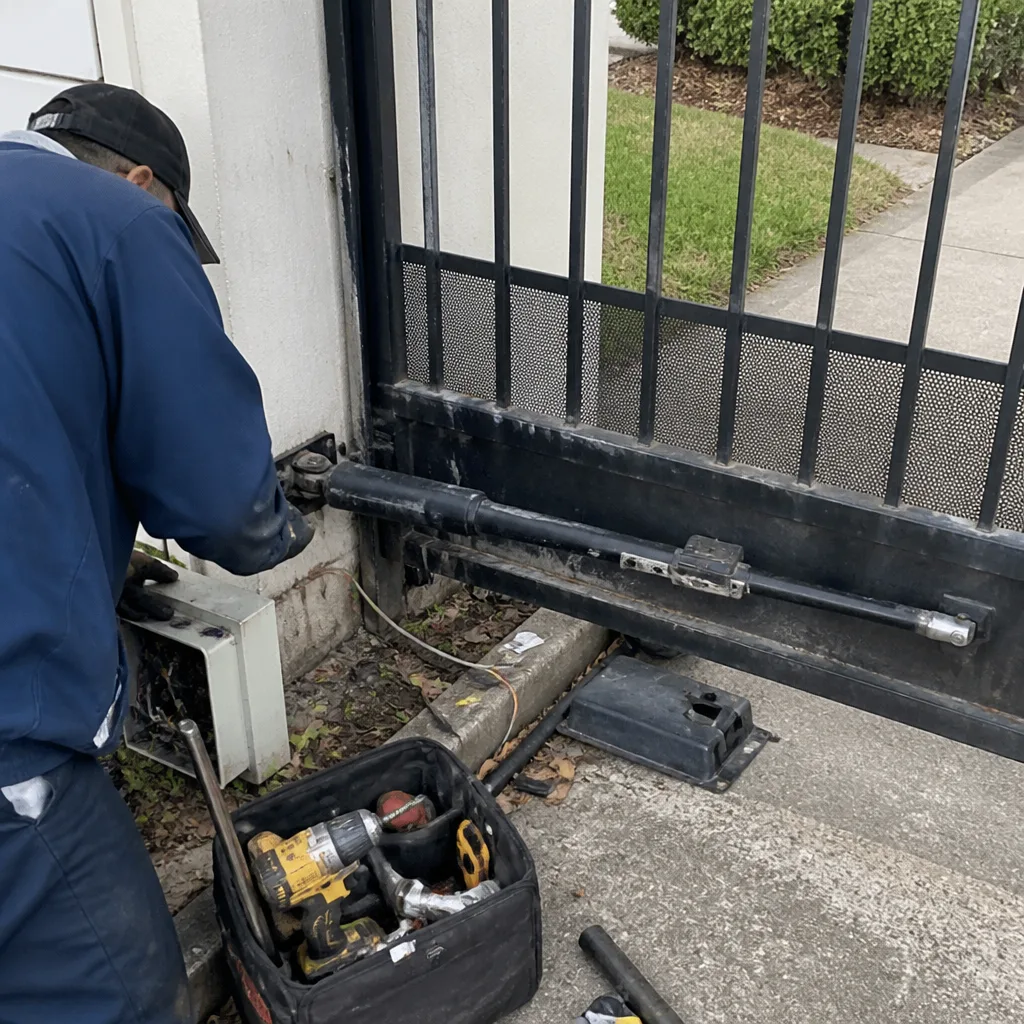 Before
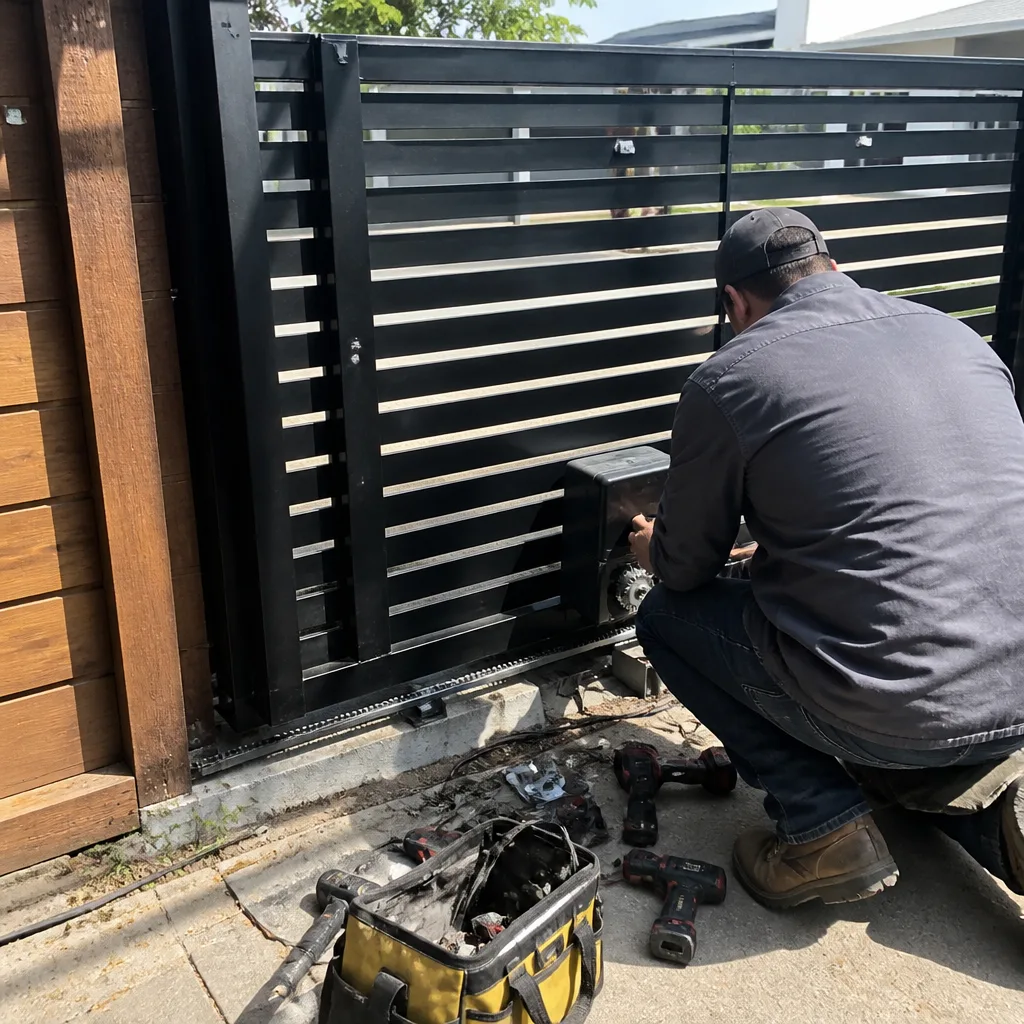 After
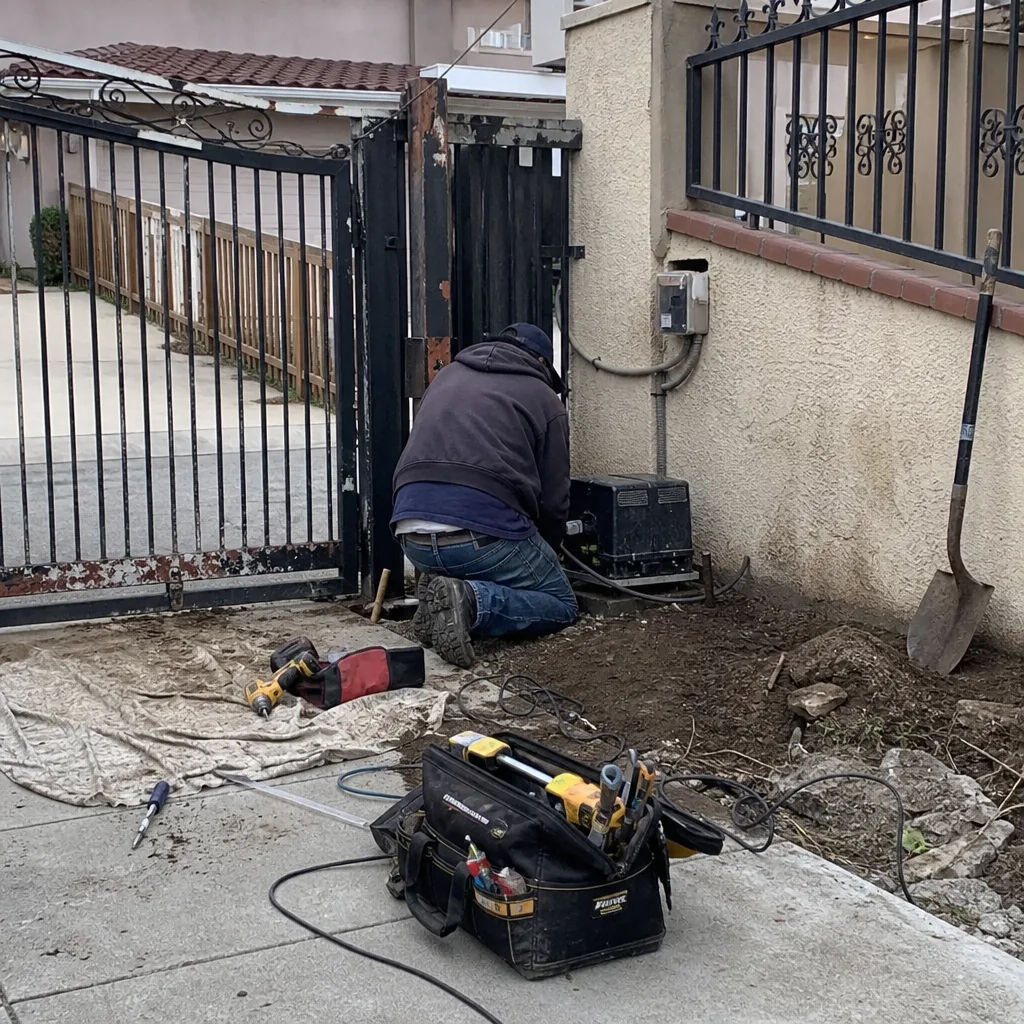 Before
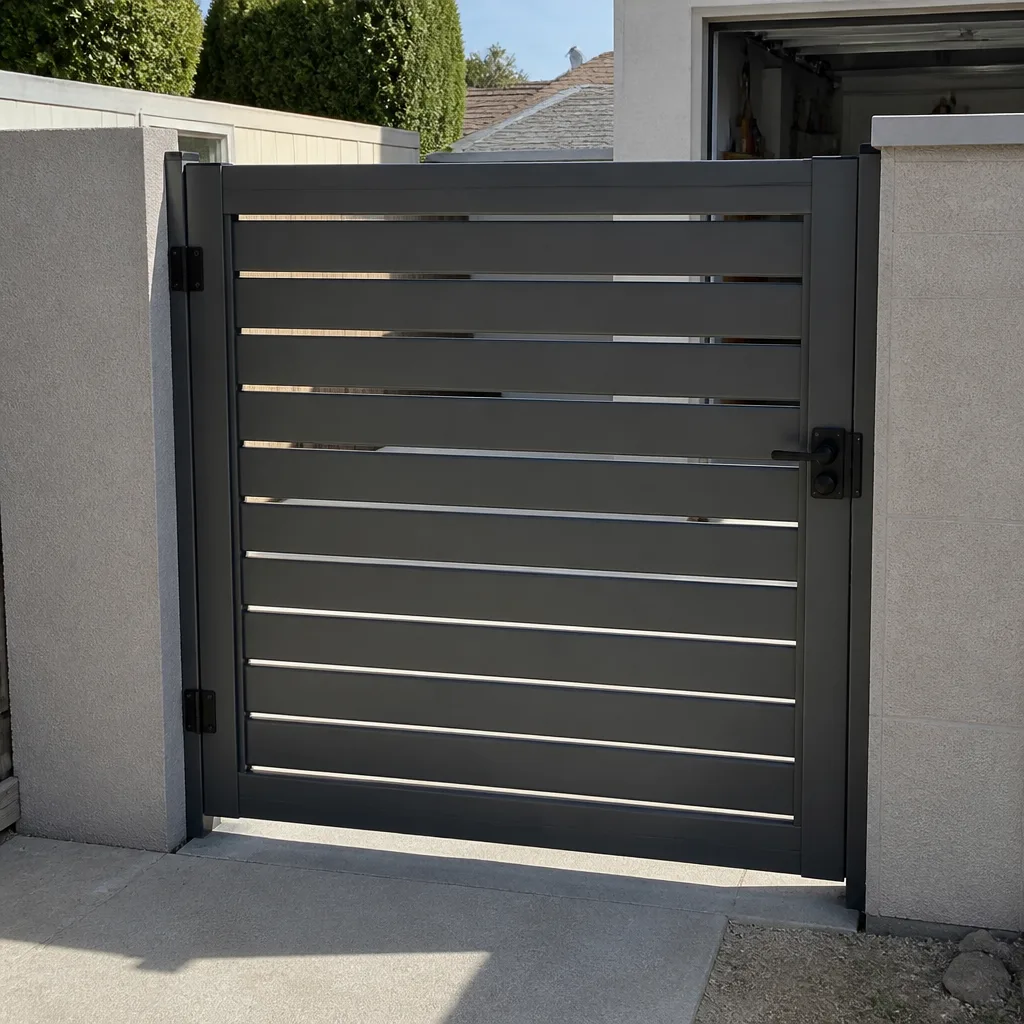 After
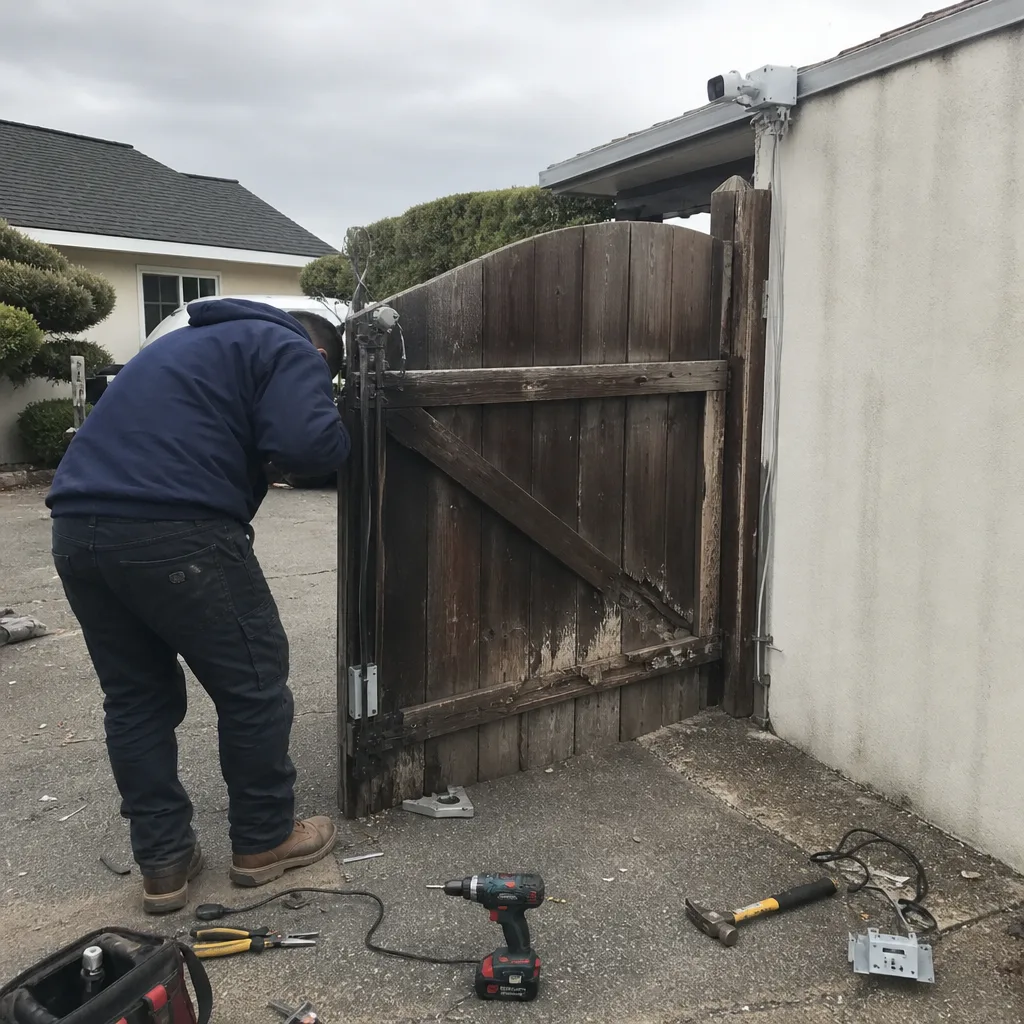 Before
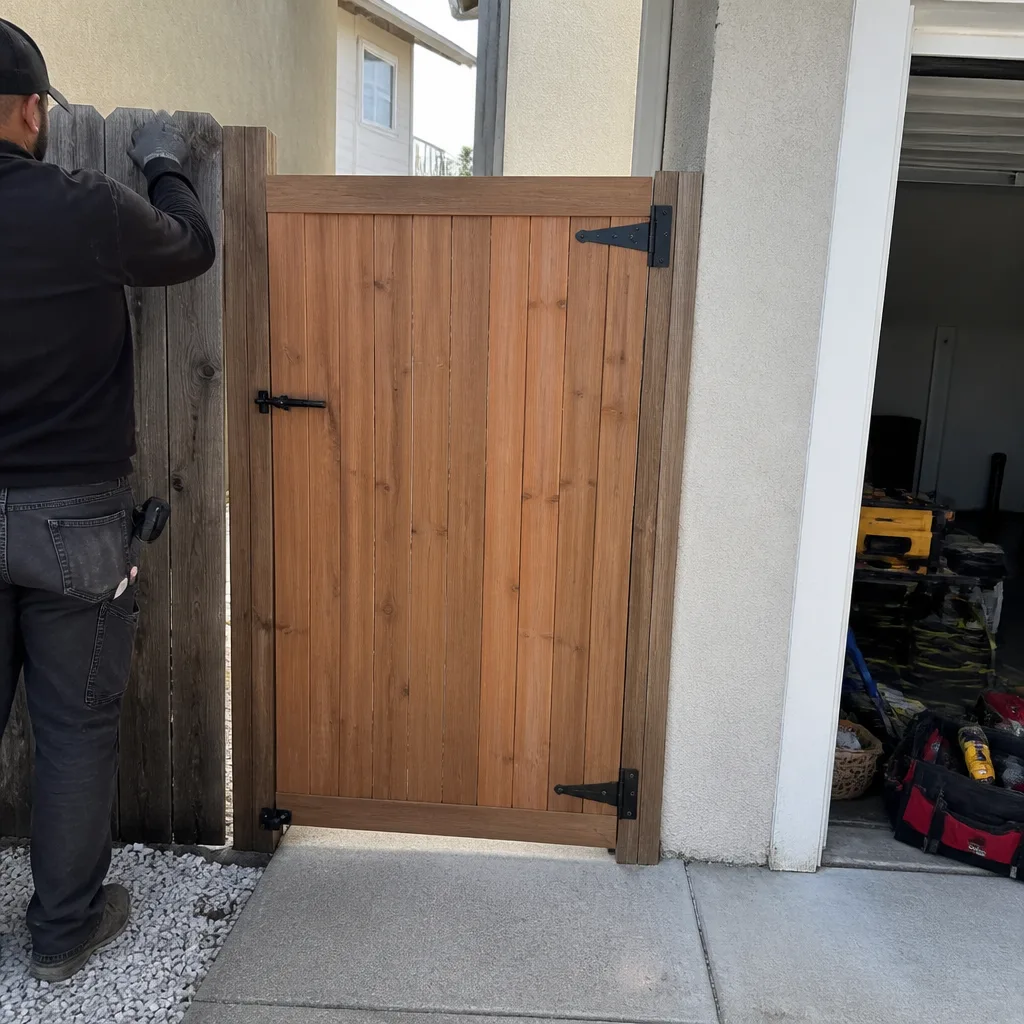 After