
Last updated November 2, 2026
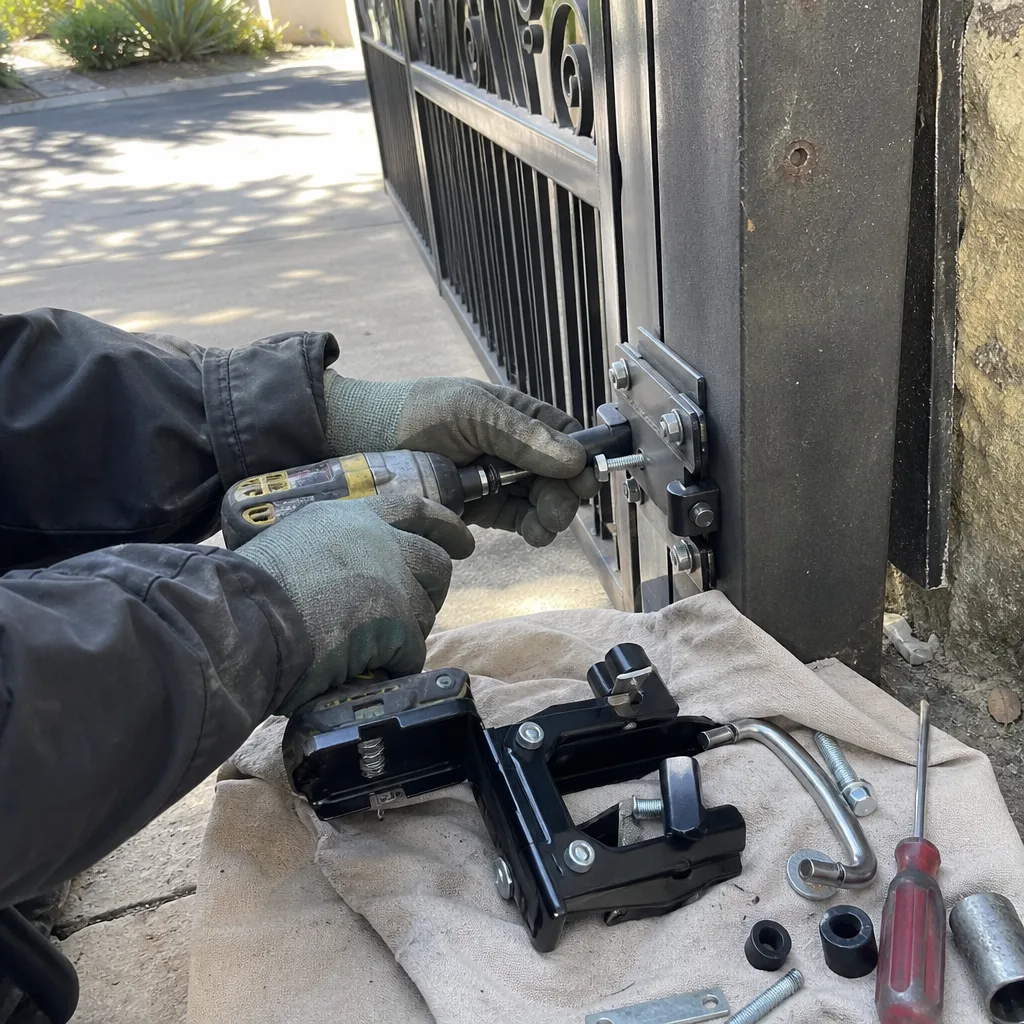
 Wrought iron
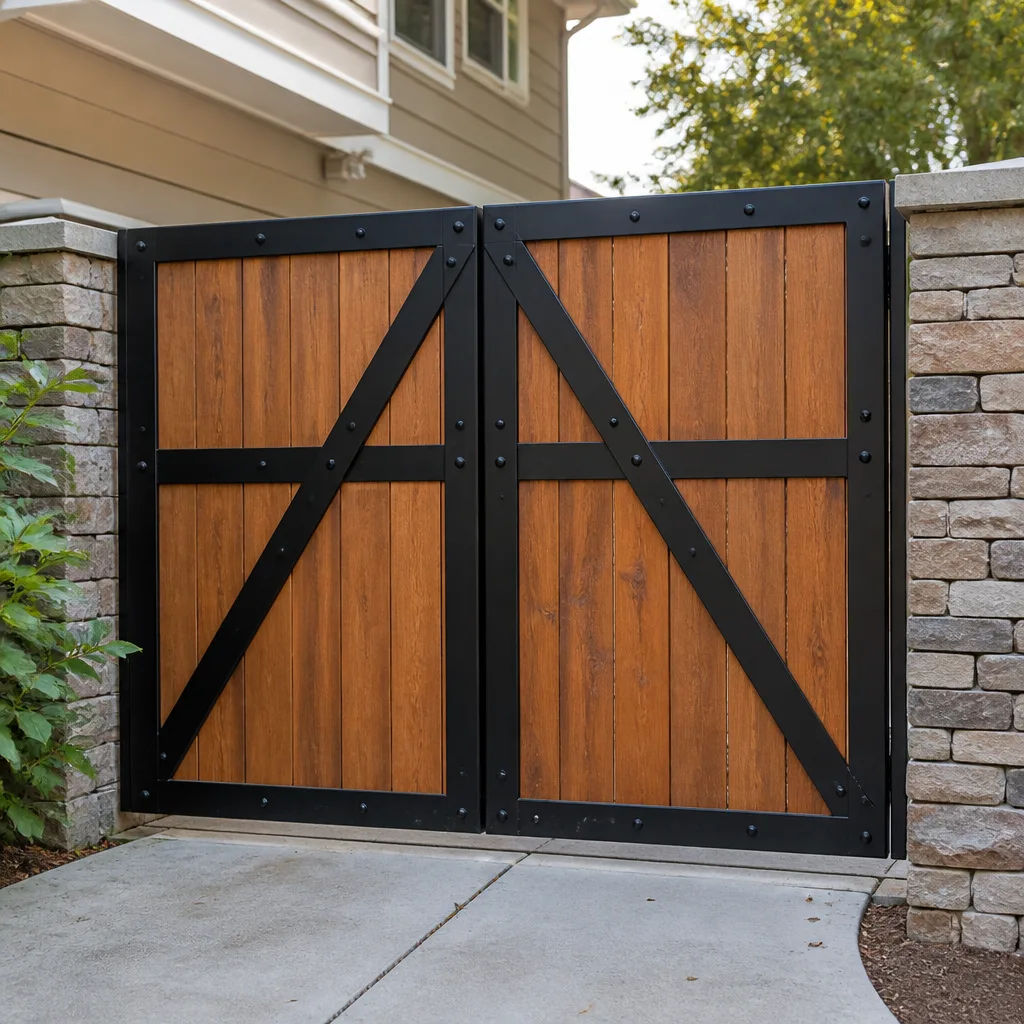 Wood & steel frame
 Farm & ranch
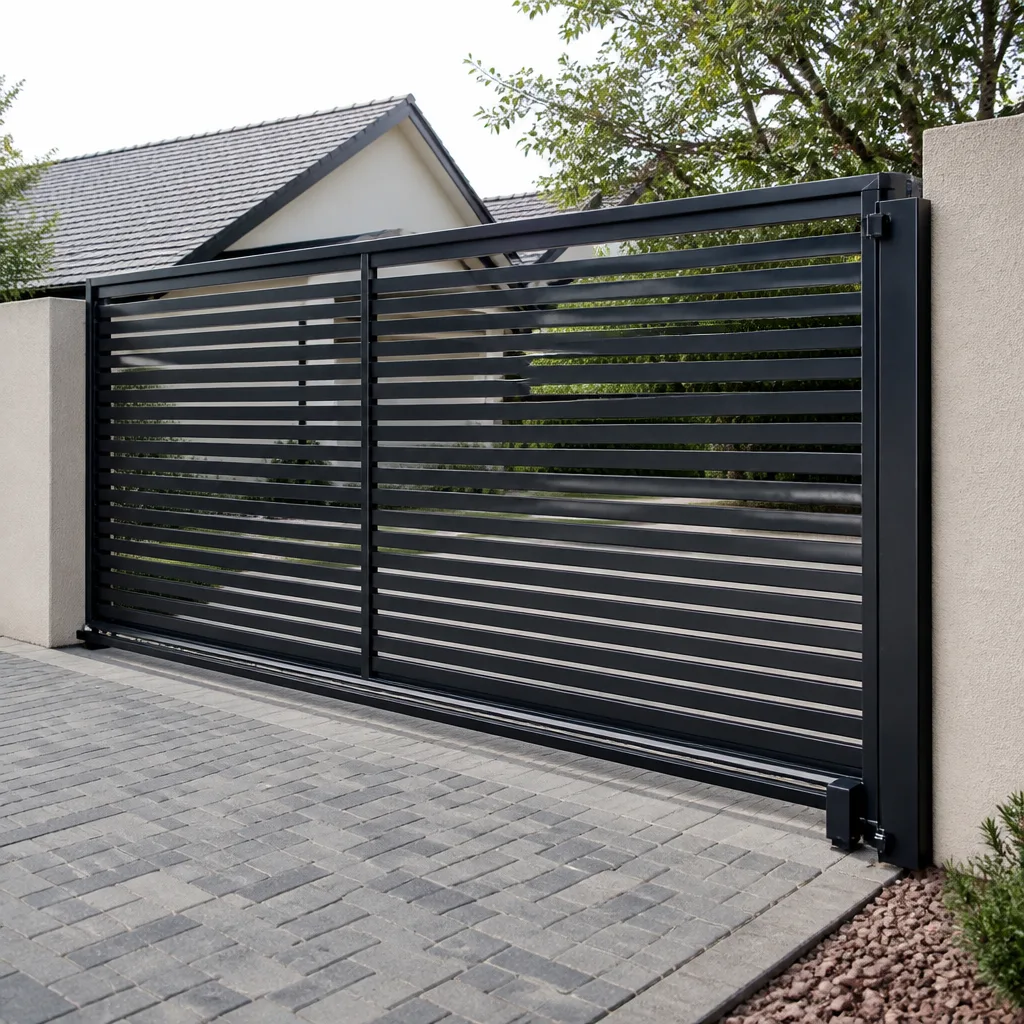 Sliding driveway gates
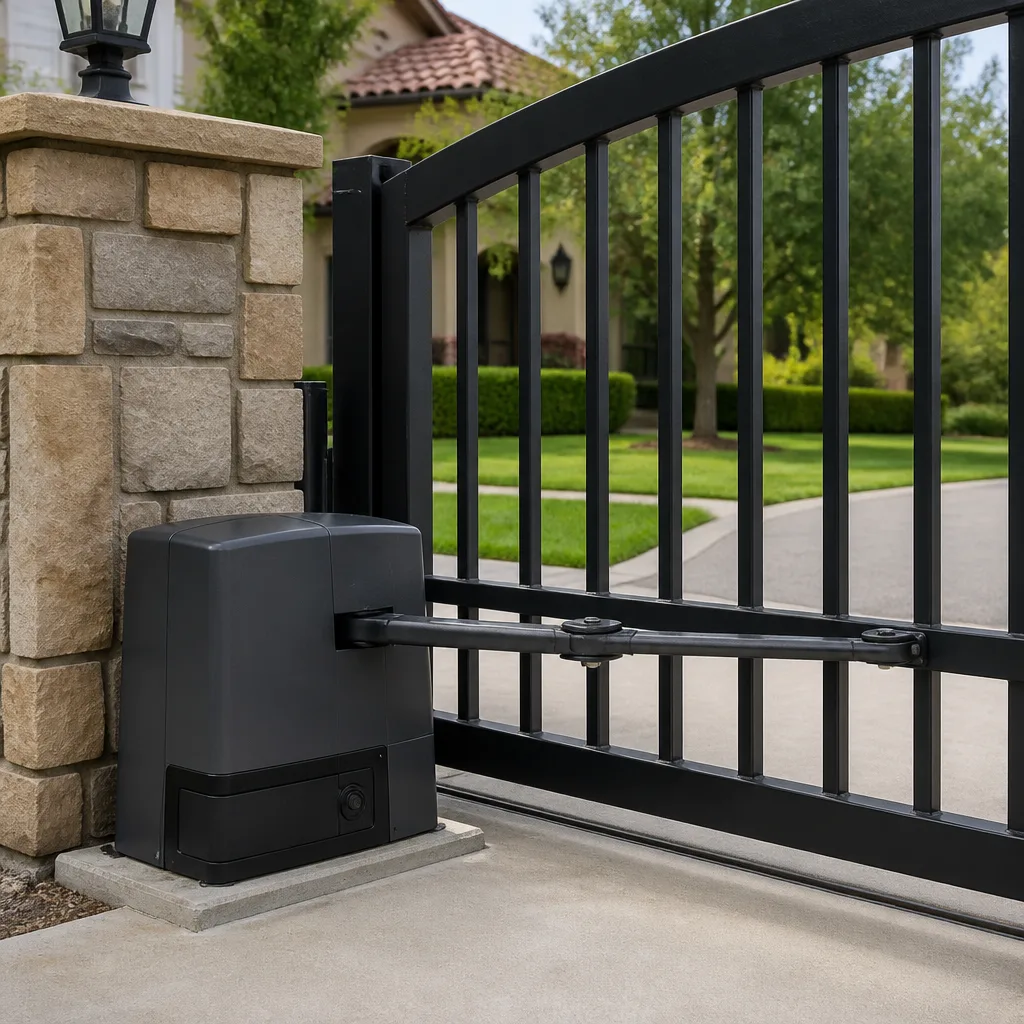 LiftMaster operators
Free on-site gate assessment - hinges, posts, and your LiftMaster or Nice gate operator checked before anything is quoted
The assessment is free and the quote is the invoice.
Get your free estimateDIY vs Professional Gate Repair: The Union City Homeowner’s Decision Guide
Replacing a gate hinge yourself is a Saturday project. Adjusting limit switches on a commercial slide gate operator is a task where a miscalibration can drive a 400-pound gate into a vehicle. The stakes aren’t comparable, but they’re discussed the same way online. This guide walks Union City homeowners through the real liability line between DIY and our Gate Repair services, what California law says about self-repaired automated gates, which repairs make sense to attempt yourself, and which ones skip past “risky” into “call someone who does this every day.”
Styles & brands we work with
- Wrought iron
- Wood & steel frame
- Farm & ranch
- Sliding driveway gates
- LiftMaster operators
Quick Answer
DIY gate repair is reasonable for lubrication, minor hinge tightening, remote battery replacement, and basic visual inspections. Any repair involving gate motors, control boards, wiring, counterbalance springs, or entrapment sensors should go to a professional – in Union City, the combination of California’s automated gate liability standards and the weight of a typical residential steel gate makes these repairs genuinely dangerous. When in doubt, call a gate specialist first. The diagnosis call is cheaper than the medical bill.
Table of Contents
- The Real Cost of DIY Gate Repair
- Repairs a Union City Homeowner Can Handle
- Repairs That Carry Real Risk
- California Legal Exposure for Self-Repaired Gates
- When DIY Makes the Next Repair More Expensive
- The Middle Path: Preparing for a Professional Visit
- Common Mistakes to Avoid
- When to Call a Professional
- Frequently Asked Questions
- The Bottom Line
The Real Cost of DIY Gate Repair
Homeowners tend to calculate DIY savings as parts plus a weekend afternoon. The actual math includes the voltage tester you don’t own, the torque wrench rated for the bolt you stripped, the driveway gate that now opens six inches short because the limit switch got bumped, and the Sunday evening call to a technician who charges emergency rates because the gate is now fully open and won’t close. We’ve arrived at more Union City homes where a “simple fix” created a second, more expensive problem than we have homes where the DIY repair worked correctly on the first try.
What most DIY guides omit is the diagnostic layer. A gate that won’t open could be a dead remote battery, a failed capacitor, a broken gear in the operator, or a misaligned safety sensor. Replacing parts guessing at the cause turns a $40 fix into a $600 parts swap that didn’t address the actual failure. Our Gate Repair Union City home page covers how we approach diagnostics from the motor to the hinge, and why identification comes before replacement every time.
Union City’s coastal climate adds a layer most national DIY forums ignore. Fog-driven rust on hinges and motors, salt air corrosion on control boards, and thermal expansion cycles from cool mornings to hot afternoons near the bay all affect gate performance. What looks like a mechanical binding issue might actually be corrosion inside the motor housing, something no amount of WD-40 will fix.
What DIY Actually Requires: A Reality Check
- Torque specifications: Gate hinge bolts and operator mounts require specific torque values. Over-tightened bolts strip threads or warp mounting plates. Under-tightened bolts shear under load.
- UL 325 compliance knowledge: Any automated gate in California must maintain entrapment protection standards. A DIY repair that disables or bypasses a sensor creates a code violation and a liability exposure, even if the gate “works fine.”
- Wiring diagrams: Electric gate systems run on low-voltage control wiring, but they’re wired through relays, capacitors, and safety loops. One crossed wire can fry a control board that costs more than the repair would have.
- Proper test equipment: A multimeter is the minimum. A gate-specific diagnostic tool helps for brand-specific error codes on DoorKing or Elite systems.
Repairs a Union City Homeowner Can Handle
There’s a genuine middle ground. These tasks are genuinely DIY-appropriate for a homeowner who can follow instructions and owns basic hand tools. None of them involve mains voltage, heavy spring tension, or automated gate safety systems.
- Lubrication. Hinges, rollers, and chains need periodic lubrication to prevent wear. Use a silicone-based lubricant, not WD-40 for this job. Union City’s salt air means this should happen more often than the typical recommendation – every 3 – 4 months for exposed hardware, rather than once a year.
- Minor alignment. If a gate sags slightly and drags on the ground, tightening the hinge fasteners or adding a shim can correct the posture. This assumes the hinges themselves aren’t worn. If the hinge pins show visible wear, tightening won’t help.
- Remote battery replacement. Most gate remotes use standard coin or AA batteries. If the remote LED lights up when you press the button but the gate doesn’t respond, the remote is transmitting; the issue is elsewhere. If the LED doesn’t light, replace the battery before assuming anything else has failed.
- Visual inspection. Walk the gate once a month. Look for rust spots, loose bolts, fraying wires, and changes in how the gate sits. Catching a hinge pin wearing out before it fails is cheaper than replacing a collapsed gate leaf.
- Basic cleaning. Debris around the gate track (for slide gates), in the operator housing, or around the safety sensors can cause false trips. A clean shop rag and a soft brush handle most of this. Do not use water pressure on the operator housing.
These five tasks cover the majority of what we’d call “preventative maintenance.” They don’t require specialized tools or knowledge, and the risk of injury or property damage is minimal. Anything beyond this list crosses into territory where the consequences of a mistake increase quickly. Full details on what professional service includes are covered in Gate Repair in Union City.
Repairs That Carry Real Risk
These are the tasks where YouTube tutorials create false confidence. The parts are visible, the procedure looks simple on camera, and the video doesn’t show what happens when a spring releases under tension or a 300-pound gate falls off its hinges onto someone’s leg.
Counterbalance Springs and Tension Adjustment
Many heavy residential gates and most commercial gates use counterbalance springs or torsion springs to offset the gate’s weight. These springs operate under enormous tension. Removing one without the proper winding bars and technique can release that stored energy instantly. In the gate repair trade, spring injuries range from broken fingers to serious facial trauma. There’s no version of this repair that belongs in a DIY guide.
Electric Gate Motor or Control Board Replacement
This isn’t about knowing which wire goes where, though that matters. It’s about knowing why the board failed. A control board burns out because something downstream drew too much current, grounded out, or shorted. Install a new board without finding the cause and you’ll burn out the new one too. On systems from Ghost Controls or Mighty Mule, error codes and diagnostic LEDs can point to the fault, but interpreting those correctly takes training on the specific brand. A professional electric gate repair in Union City includes the diagnostic step that DIY skips.
Entrapment Sensor Calibration
UL 325 safety standards require automated gates to reverse or stop when they encounter an obstruction. The sensors that enable this – photoelectric eyes, edge sensors, or inherent entrapment protection built into the operator – require precise calibration. Set them too sensitive and the gate refuses to close on windy days. Set them too lax and the gate will close on a person, a pet, or a car, with predictable results. In California, an improperly calibrated gate that injures someone exposes the person who performed the repair to legal liability.
Wiring and Electrical Work
Gate operators run on 120V or 240V AC power, stepped down to 24V DC for controls. Both voltage levels are present inside the operator housing. Working on live circuits without understanding the wiring layout risks shock, and working on the low-voltage side without understanding the relay logic risks expensive component damage. Neither risk is worth absorbing to save a service call fee.
California Legal Exposure for Self-Repaired Gates
California treats automated gates as a potential safety hazard, not just a convenience feature. State law incorporates UL 325 as the performance standard for automated gate entrapment protection. What this means in practical terms: if a homeowner self-repairs an automated gate, later disables or misadjusts a safety sensor, and that gate injures a visitor, delivery person, or even a trespasser, the homeowner carries the full liability.
A professional repair changes the liability picture. A licensed gate company performing the repair bears responsibility for the work meeting UL 325 standards. If a sensor fails after a professional adjustment and an injury follows, the company’s insurance absorbs the claim. A homeowner who bypasses a sensor to “make the gate work” assumes that exposure personally. In Union City, where many homes have pedestrian gates alongside vehicle gates, and deliveries and visitors pass through both daily, the exposure isn’t theoretical.
There’s also the disclosure issue. If a homeowner sells a Union City property with an automated gate that has undocumented DIY modifications, and that gate later injures the new owner or a family member, the seller’s repair history becomes relevant in any lawsuit. Professional repair invoices demonstrate a documented chain of care. A missing sensor cover and a spliced wire with electrical tape tell a different story.
If you’re considering a new installation rather than repairing an aging system, gate installation in Union City includes proper sensor placement, operator programming, and documentation that protects the homeowner from day one.
When DIY Makes the Next Repair More Expensive
The most expensive calls we take are the ones where a homeowner tried to fix it first. Not because we charge more for those jobs, but because the scope has expanded. Here’s what that looks like in practice.
Example one: the stripped hinge mount. A homeowner notices a sagging gate and attempts to tighten the hinge bolts. The bolts are partially seized from eight years of Union City fog moisture. The hex heads strip. The homeowner drills out the bolts, misaligns the drill bit, and wallows out the mounting holes. What was a $140 hinge replacement becomes a $500 plate fabrication and reinstall.
Example two: the misdiagnosed motor. A gate operator stops responding. The homeowner replaces the remote batteries, then the remote, then the receiver board, none of which fix the problem. The actual fault is a failed capacitor. By the time we diagnose it correctly, the homeowner has spent $180 in parts, introduced a possibly defective receiver board into the system, and the capacitor has now compromised the motor windings from running undervoltage for weeks.
Example three: the disabled sensor. An entrapment sensor keeps tripping, so the homeowner disconnects it. The gate now works, but the operator’s torque settings are now running unchecked. Weeks later, the gearbox strips when the gate hits an obstruction it should have reversed for. The homeowner is now replacing a sensor and a gearbox, where replacing only the sensor would have been the first repair.
In each case, the DIY attempt masked the original problem long enough to create secondary damage. A technician who sees these gates before the DIY attempt can make the correct repair in one visit.
The Middle Path: Preparing for a Professional Visit
Somewhere between full DIY and doing nothing sits a valuable middle path. These are the steps a Union City homeowner can take before a technician arrives that reduce billable labor time and improve the quality of the diagnosis. None of them involve disassembling anything or touching electrical components.
- Document the symptoms precisely. Write down exactly what the gate does and when it does it. “Gate opens about two feet, then reverses” is far more useful than “gate is broken.” Note whether the problem happens every time or intermittently, at specific times of day, or after specific events like rain or power outages.
- Photograph the equipment. Take clear photos of the operator, the control board (with the cover off if you can safely and legally access it – many control panel covers open without tools), the model plates, and the gate hardware. Brand and model numbers let us bring the right parts and diagnostic equipment on the first visit.
- Clear the work area. Move vehicles, trash bins, and landscaping equipment away from the gate and the operator housing. If the gate is in a side yard, clear ivy or shrubs back far enough for a technician to work on both sides.
- Locate the power source. Know where the operator’s electrical disconnect or circuit breaker is. Most have a dedicated disconnect within sight of the operator. You don’t need to turn it off, but knowing where it is speeds up the work.
- List any previous repairs. If another company or a previous homeowner worked on the gate, mention it. Knowing that a sensor was bypassed in the past or that a board was replaced with a used part changes the diagnostic approach.
- Test remotes and keypads. Before the technician arrives, check every remote, keypad, and intercom station. Report which ones work and which don’t. This isolates whether the problem is with the operator or with an access device.
These steps take 20 minutes and directly reduce the time a technician spends on site. They also increase the odds that the problem gets fixed in one visit rather than two.
Common Mistakes to Avoid
- Using WD-40 on hinges and rollers. WD-40 is a water displacer, not a lubricant. It cleans off whatever lubricant was there and then evaporates, leaving metal-to-metal contact. Use a silicone or lithium-based lubricant on gate hardware. Union City’s moist air accelerates the resulting wear.
- Disconnecting safety sensors to stop false trips. A sensor that trips constantly is faulty, misaligned, or dirty. Disconnecting it turns an inconvenience into an entrapment hazard. If the sensor cover is cracked, replace the sensor – don’t tape over the opening.
- Adjusting limit switches without marking the original positions. Modern operators have digital limits, but some older systems use mechanical limit switches with physical stops. Moving one without marking the original position means losing the reference point. What follows is a frustrating cycle of trial-and-error adjustments that leaves the gate either short-stopping or over-traveling.
- Replacing a control board without checking downstream components. Boards rarely fail for no reason. A shorted solenoid lock, a failing capacitor, or a pinched wire usually causes the overload. New board, same fault, same result: another burned board.
- Oiling a chain without checking tension first. A chain that’s too loose or too tight causes most of the noise and wear. Lubricating a mis-tensioned chain masks the symptom briefly and lets the underlying problem worsen. Tension first, lubrication second.
- Forcing a stuck gate with the operator. If a gate binds and the operator won’t move it, the operator’s overload protection is doing its job. Repeatedly cycling the operator against a stuck gate overheats the motor, strips gears, or burns out capacitors. Find the mechanical obstruction before touching the controls.
- Ignoring rust on the gate posts. Union City’s coastal moisture accelerates steel corrosion. Rust at the post base is structural, not cosmetic. Painting over it is a temporary fix that hides the problem while the post continues to weaken underground.
When to Call a Professional
Call a gate specialist when the repair involves the operator, the control board, the safety sensors, any wiring, any spring under tension, or any structural component of the gate or posts. Call when the gate’s failure mode is intermittent, because intermittent problems are diagnostic puzzles that require test equipment and patterns recognition, not parts swapping. Call when you don’t know what failed, because the diagnosis itself is the skill. And call when the gate is a commercial system or a heavy steel residential gate, because the stakes and weights are higher than a tube-steel pedestrian gate.
Gate Repair Union City offers free estimates in Union City – call (833) 593-6430. We only do gates, which means we carry gate-specific parts and tools, and we’re trained on nine major brands including Ghost Controls, DoorKing, and Mighty Mule systems.
Frequently Asked Questions
No, for most electric gate repairs. Electric gates combine mains voltage, low-voltage control wiring, heavy moving parts, and entrapment safety sensors regulated by California’s UL 325 standard. A mistake in any one of those areas creates a safety risk, a code violation, or expensive component damage. Leave electric gate repair to a professional. For your specific issue, call (833) 593-6430 for a free estimate.
Lubrication, remote battery replacement, minor hinge tightening, light cleaning, and monthly visual inspections are safely DIY. These tasks require no specialized tools and don’t involve springs, wiring, or safety systems. Anything beyond these crosses into professional territory.
Professional gate repair in Union City typically ranges from $150 to $450 for common repairs like sensor replacement, hinge replacement, or limit switch adjustment, with more complex electrical repairs like control board replacement running higher. For a detailed breakdown, see our Gate Repair Cost Breakdown: The Union City Homeowner’s Reference for 2026. The exact cost depends on the brand, the failure, and parts availability. Call (833) 593-6430 for a precise quote – estimates are free, and you’ll know the price before any work starts.
Often yes. Most gate operator manufacturers, including LiftMaster and Ghost Controls, specify that warranty coverage requires installation and service by a qualified technician. Opening the operator housing, replacing internal components, or bypassing safety features can void the warranty entirely. If your system is still under warranty, let a professional handle the repair and keep the documentation.
The most common mistake is disconnecting or bypassing an entrapment sensor that was tripping frequently. The homeowner sees it as fixing an annoyance, but it removes the gate’s primary safety system. In our experience, sensor-related callouts are one of the most common electric gate repair in Union City requests, usually because the sensor was dirty, misaligned, or had a cracked housing – all simple professional fixes that preserve safety. Call (833) 593-6430 if your sensor is misbehaving.
Mechanical problems show up as physical resistance, grinding, sagging, or visible wear – the gate feels heavy or binds. Electrical problems show up as the gate not responding to remotes or keypads, opening partially then stopping, or behaving inconsistently. Some problems are both: a mechanical bind can overload the electrical system. A professional diagnostic distinguishes the two before any parts are replaced.
The Bottom Line
The DIY-versus-professional gate repair decision comes down to one question: does this repair involve stored energy, electrical current, or safety systems? If the answer is yes, phone a professional. Simple maintenance – lubrication, batteries, cleaning, visual checks – belongs in every Union City homeowner’s toolkit. The high-stakes work, the UL 325 compliance, the brand-specific diagnostics on DoorKing or Elite systems, the spring tension, the control boards – that belongs in the hands of someone who does it daily. For urgent situations, review our Gate Repair Emergency Preparedness Guide for Union City Homes. Your gate, fixed right, the first time, is cheaper than any DIY route that ends with a second visit. Call (833) 593-6430 and we’ll tell you honestly whether you need us.
Written by the team at Gate Repair Union City, serving Union City since 2018. For more guides & resources, visit our blog.
See the difference
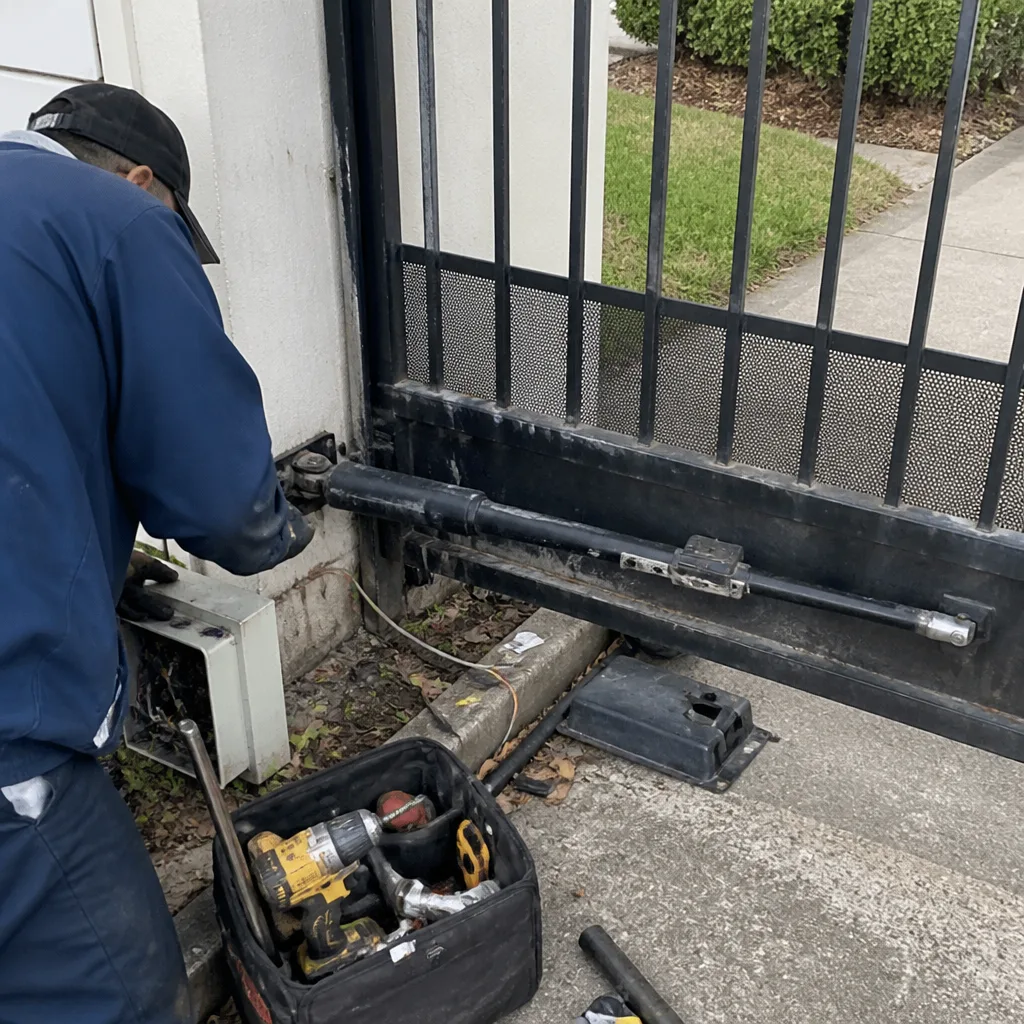 Before
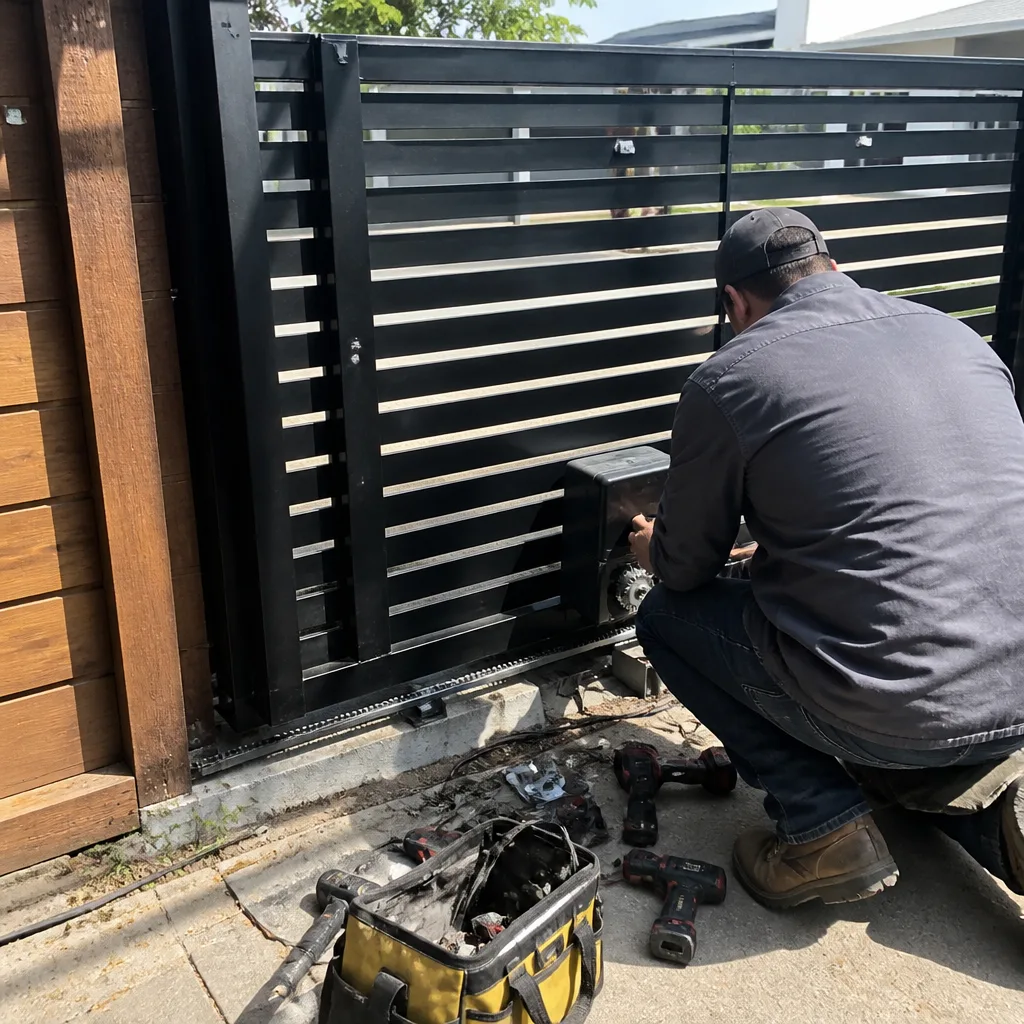 After
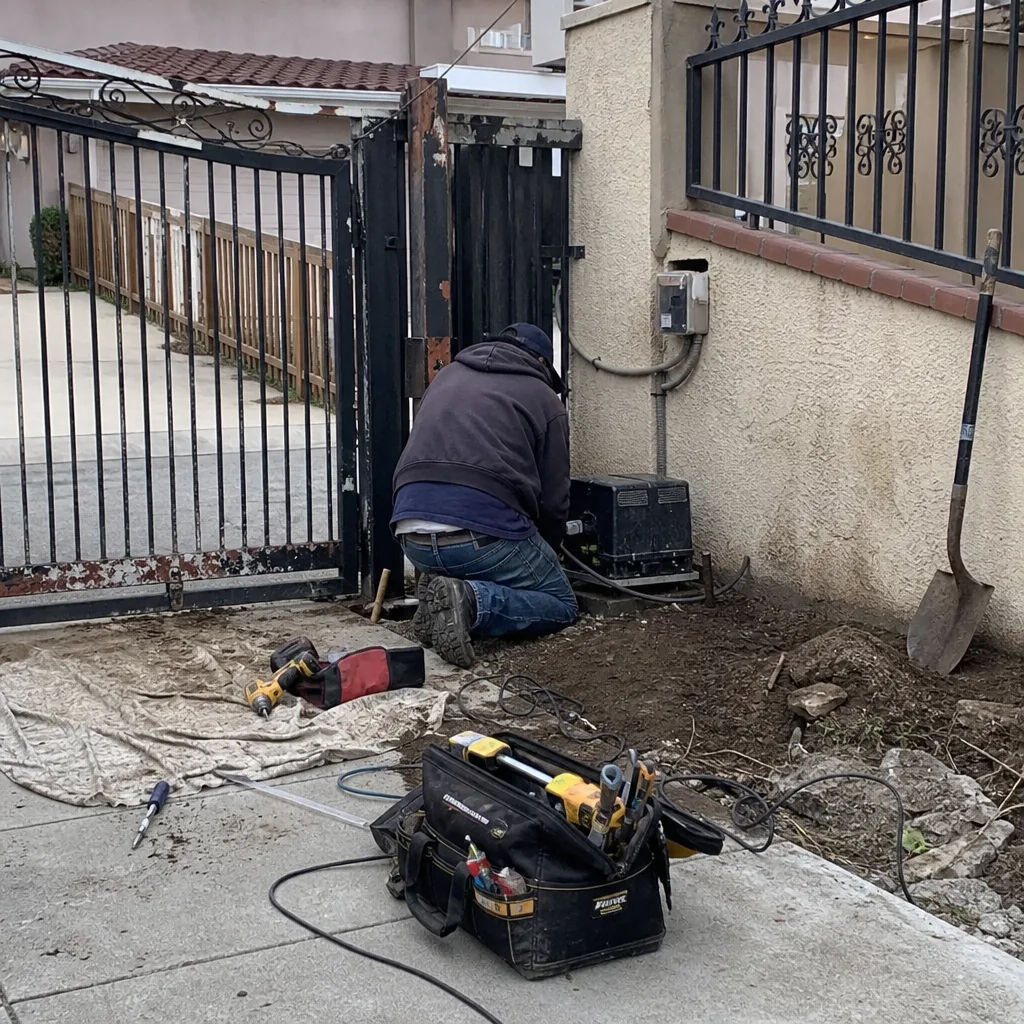 Before
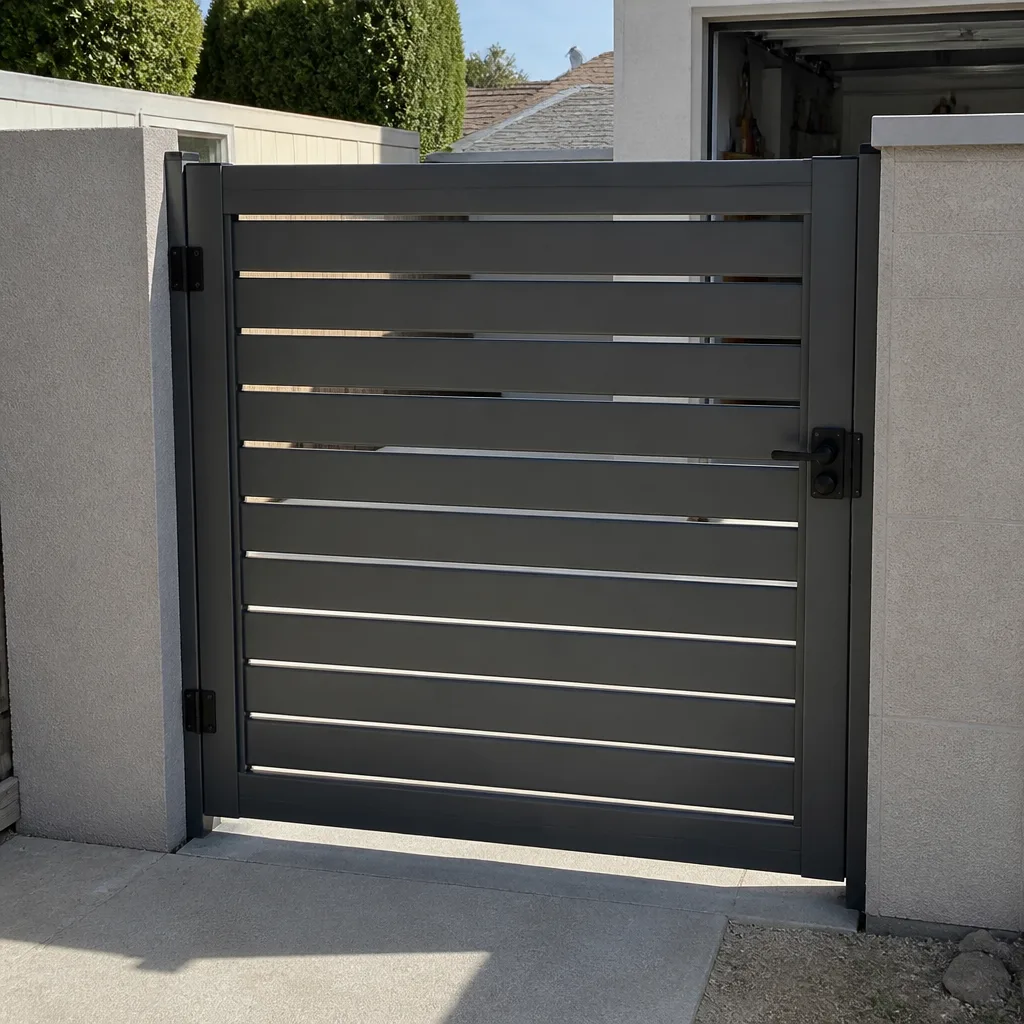 After
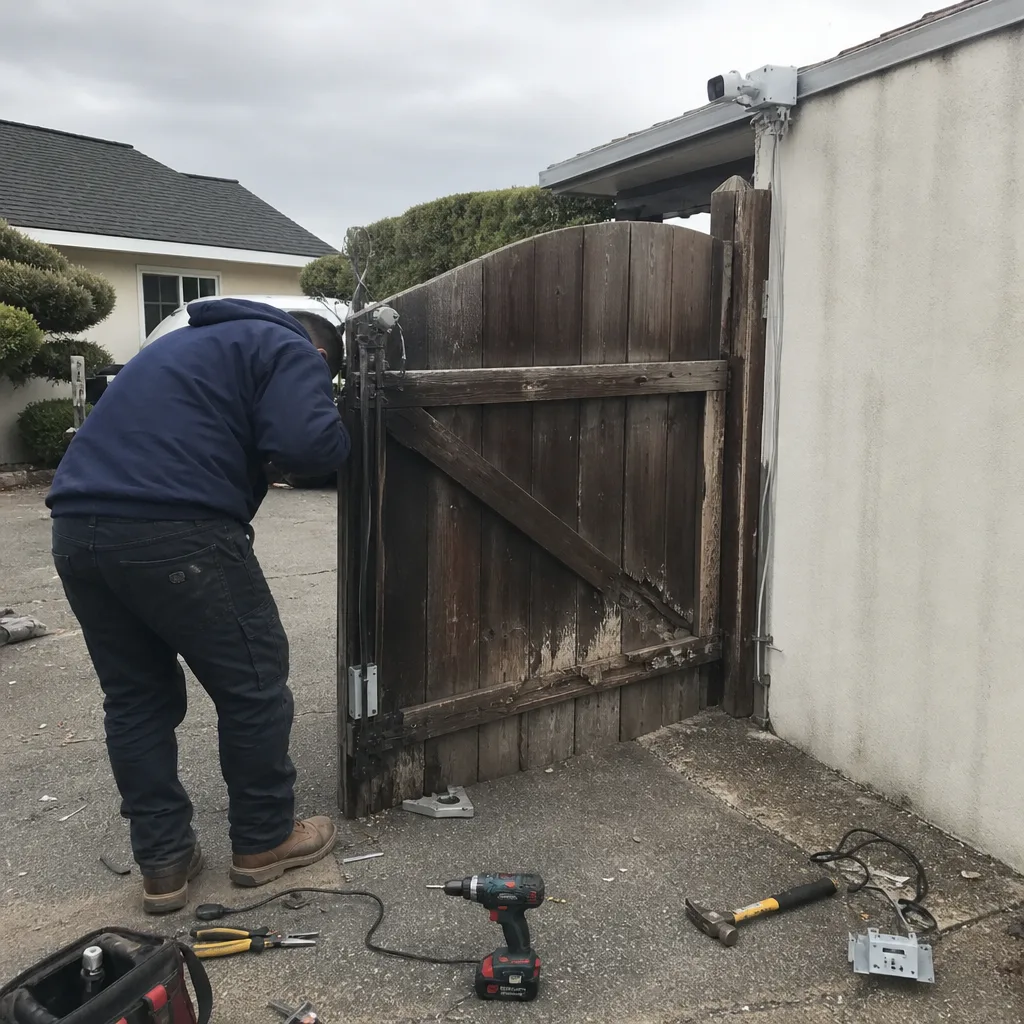 Before
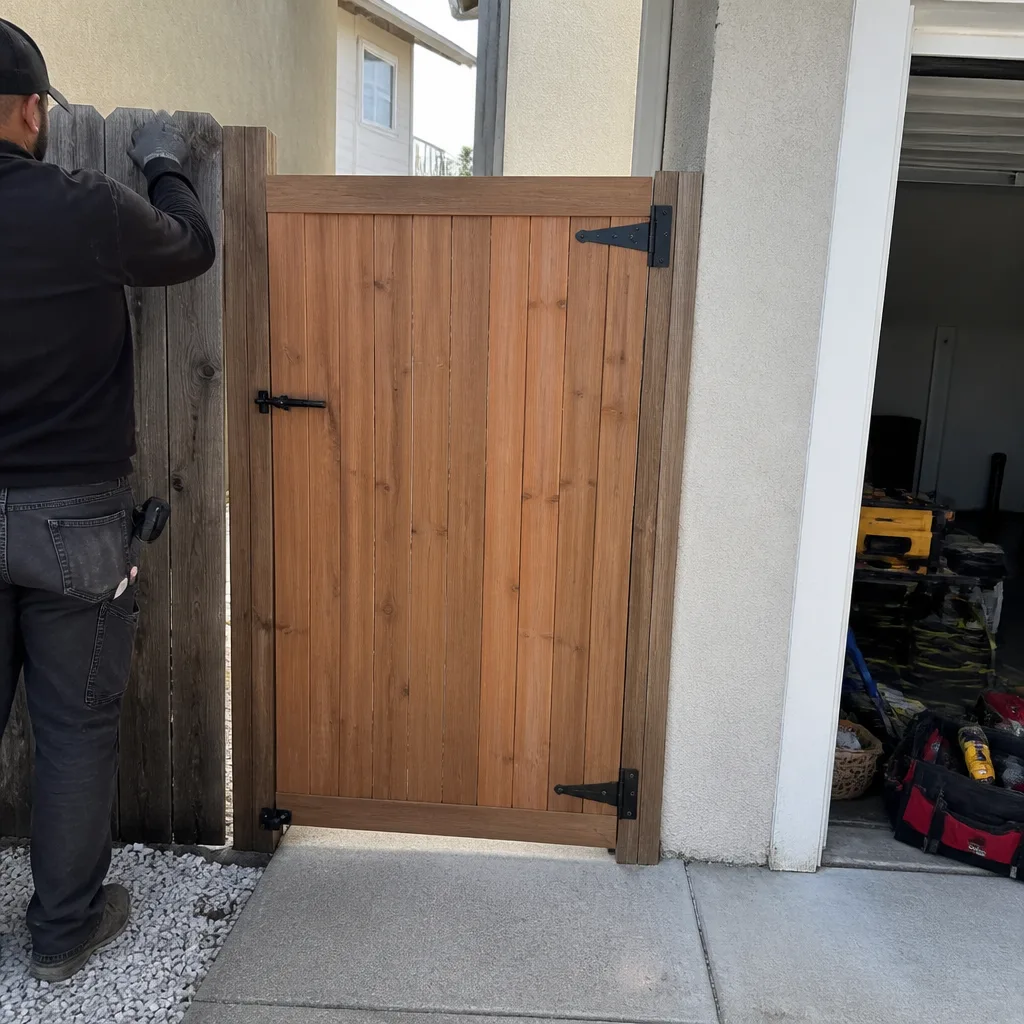 After